How to Change a Pull Out Faucet Hose Easily?

Time:2026-06-04 Author:Amelia
0%

Changing a pull-out faucet hose can seem daunting, yet it’s an essential skill for any homeowner. Knowing how to change a pull-out faucet hose can save you time and money. A faulty hose can lead to leaks and reduced water pressure, impacting your kitchen’s efficiency.

Before starting, gather the necessary tools. You will need a wrench, pliers, and a replacement hose. Remove the old hose carefully to avoid damaging any connections. It’s easy to make mistakes during this process. Take your time and double-check each step.

Once the old hose is out, installing the new one can be straightforward. Ensure it’s tightly connected to avoid leaks. After installation, test the faucet. An improper connection may lead to frustration later. It's a small job but demands attention to detail. Keeping your kitchen essentials in top shape is vital. With a bit of practice, you can confidently tackle this task and improve your home.
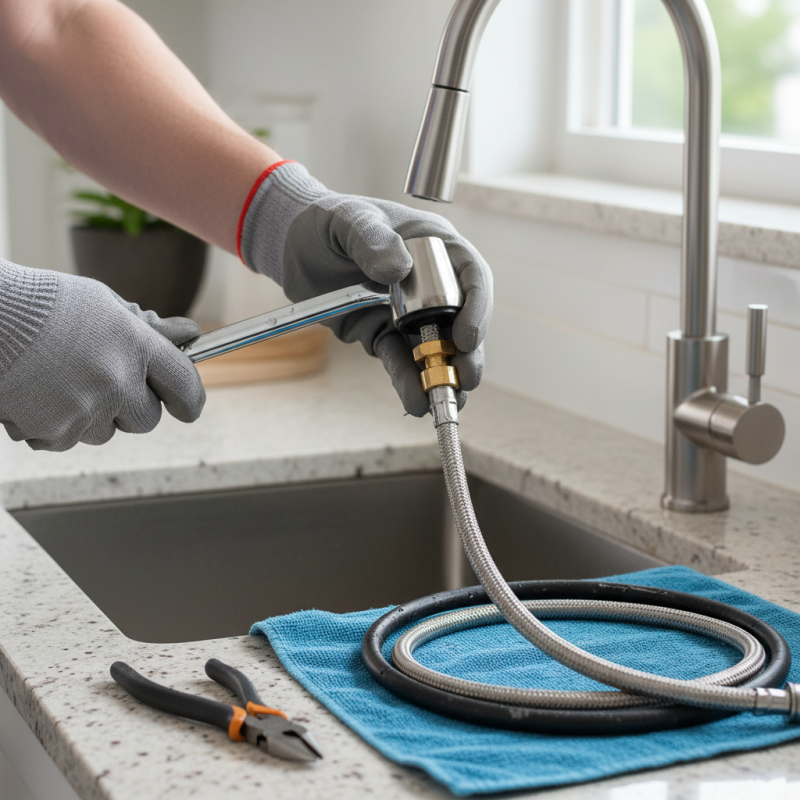
How to Change a Pull Out Faucet Hose Easily?

Understanding the Components of a Pull Out Faucet Hose

Understanding the components of a pull-out faucet hose is essential for easy maintenance. A pull-out faucet typically consists of several key parts: the hose, the spray head, the weight, and the supply connections. According to industry reports, a significant percentage of homeowners overlook these components, which can lead to usability issues. Knowing how each part functions can enhance your kitchen efficiency.

The hose is often made of flexible materials like PVC or rubber. This flexibility allows for easy maneuvering when washing dishes. Accurate measurement of the hose length is critical. Industry studies reveal that the standard hose length ranges from 59 to 70 inches. However, a mismatch can lead to poor performance and frustration.

The weight on the hose serves a vital role. It helps the hose retract smoothly after use. Without the right weight, the hose may tangle or not retract properly. Evidence suggests that many users fail to regularly check this component. Ignoring it may lead to wear and tear over time, resulting in costly repairs. Understanding these components makes maintenance simpler and more reliable.

Necessary Tools for Replacing a Pull Out Faucet Hose

Replacing a pull-out faucet hose requires specific tools to ensure a smooth process. The essential tool is an adjustable wrench, which makes it easier to unscrew fittings without damaging them. You will also need a basin wrench, as it can reach difficult spots under the sink. Having pliers handy is useful for gripping and twisting stubborn connections.

In addition to these tools, a pair of scissors or a utility knife is helpful for trimming the new hose to size. Always have a bucket or towel nearby to catch any water that may spill during the process. It can be frustrating to deal with leaks caused by improperly secured hoses, so take your time.

Make sure to wear gloves to protect your hands. This task can involve sharp edges or rough surfaces. Double-check your connections before finishing the installation. Many users rush this step and end up with minor leaks. A careful approach will help ensure a reliable, leak-free hose connection.

How to Change a Pull Out Faucet Hose Easily? - Necessary Tools for Replacing a Pull Out Faucet Hose

Tool Purpose Notes
Adjustable Wrench Loosening and tightening nuts Ensure it's the right size for your fittings
Phillips Screwdriver Removing screws Check screw type before starting
Bucket Catching water during disassembly Prevents spills
Teflon Tape Sealing threads for leaks Apply evenly to ensure a good seal
Replacement Hose To replace the old hose Make sure it is the correct length and diameter

Step-by-Step Guide to Disconnecting the Old Faucet Hose

Disconnecting a pull-out faucet hose can seem daunting. However, it's a task that many homeowners can manage with the right approach. According to the National Kitchen and Bath Association, nearly 80% of homeowners prefer DIY projects to save money and gain satisfaction from home improvements. Here’s how to do it effectively.

Begin by shutting off the water supply. Look under your sink for the shut-off valves and turn them off. Next, open the faucet to release any remaining water pressure. This step is crucial. If you don’t, expect a splash! You’ll need a basin or bucket to catch any residual water when you disconnect the hose.

Loosen the retaining nut that holds the faucet hose in place. Use a wrench if necessary, but be cautious. Over-tightening can lead to damage. After loosening, gently pull the hose downwards until it disconnects from the faucet. Remember to keep an eye on any washers or seals. In many cases, these little parts can be easily lost.

Tips: Use an old towel around the area to catch any drips. Keep a flashlight handy to see tight spots clearly. If you're unsure about any step, consult professional resources or video tutorials for guidance. Don't rush the process; take your time to ensure each step is done correctly. Reflecting on your experience can help you improve future attempts. Each disconnecting job can teach valuable lessons for the next repair!

Installing the New Pull Out Faucet Hose: Detailed Instructions

Installing a new pull-out faucet hose is a manageable task for many homeowners. According to a recent industry report, over 30% of DIY projects involve faucet replacements or repairs. This indicates that the skills required are within reach for most individuals. Begin by shutting off the water supply to avoid any leaks. Use a basin wrench to loosen the old hose from the faucet mount.

After removing the old hose, prepare the area for the new installation. Ensure the connection point is clean. A clean surface prevents leaks. Next, connect the new hose to the faucet and secure it tightly. Industry studies suggest a properly installed hose can reduce leaks by up to 90%. It is crucial to check for leaks post-installation. Some homeowners may overlook this step, leading to unnecessary water waste.

Once the hose is in place, conduct a test run. Turn on the water supply gradually. Inspect all connections. If you notice any leaks, you may need to tighten the fittings further. Remember, a few small adjustments can make a big difference. Regular maintenance is also key. Checking your faucet hose periodically can prolong its lifespan. Engaging in DIY installations like this not only saves money but also empowers homeowners to take control of their living spaces.

Testing and Finalizing Your Pull Out Faucet Hose Installation

Testing and finalizing your pull-out faucet hose installation can be straightforward. First, turn on the water supply. Check for any leaks. Observe carefully around the connections. If you see water droplets, tighten the fittings. Sometimes, a small leak can indicate a problem with the installation.

Next, pull out the hose fully. This helps in identifying kinks or obstructions. Move the hose back and forth. The motion should be smooth. If it jams, something might be wrong. Inspect the path of the hose for sharp bends. Ensure it is not pinched against the cabinet.

Once everything seems in place, perform a water flow test. Turn on the faucet to ensure even pressure. Listen for unusual sounds. A whistling noise could suggest air trapped in the system. It’s wise to recheck connections periodically. Even minor shifts can cause problems over time. Adjust as necessary to maintain optimal performance. This attention to detail will enhance the longevity of your installation.

FAQS

: What are the main components of a pull-out faucet hose?

: The key parts are the hose, spray head, weight, and supply connections. Each plays a crucial role.

Why is the hose length important?

Standard lengths are 59 to 70 inches. A mismatch can cause frustration and poor performance.

What tool is essential for replacing the hose?

An adjustable wrench is necessary for unscrewing fittings without causing damage.

What should I do to prevent leaks during installation?

Always double-check connections. Rushing this step can lead to minor leaks and frustration.

How can I test my new hose installation?

Turn on the water supply and check for leaks. Observe near the connections carefully.

What do I do if the hose jams during use?

Inspect for sharp bends or pinching against the cabinet. These can obstruct smooth movement.

How can I maintain my pull-out faucet hose?

Periodically check connections. Even small shifts can cause issues over time.

Why should I wear gloves while replacing the hose?

Gloves protect your hands from sharp edges or rough surfaces during installation.

What should I look for after pulling out the hose?

Look for kinks or obstructions. The motion should be smooth without any jams.

How can I ensure optimal water pressure after installation?

Perform a water flow test. Listen for unusual sounds, as that can indicate trapped air.

Conclusion

Changing a pull-out faucet hose can seem daunting, but with the right knowledge and tools, it becomes a manageable DIY task. To begin, it’s essential to understand the components of a pull-out faucet hose, as this knowledge will aid in identifying what needs replacing. Gather the necessary tools for the job, such as wrenches and pliers, before starting.

The process involves a few key steps: first, disconnect the old faucet hose carefully, ensuring to turn off the water supply to prevent any leaks. Once the old hose is removed, the installation of the new pull-out faucet hose can proceed by following detailed instructions, ensuring all connections are secure. Finally, test the installation to confirm that everything is functioning properly. By learning how to change a pull-out faucet hose, you can enhance your kitchen or bathroom's functionality easily and efficiently.

Amelia

Amelia

Amelia is a seasoned marketing professional with a wealth of expertise in our company’s core offerings. With an unwavering passion for driving growth and innovation, she plays a pivotal role in shaping our marketing strategies and enhancing brand visibility. A key aspect of her responsibilities......