How to Clean Calcium Buildup on Faucets Effectively?

Time:2026-07-27 Author:Isabella
0%

Dealing with calcium buildup on faucets can be frustrating. Many homeowners face this issue due to hard water. Knowing how to clean calcium buildup on faucets can restore their shine and functionality. Over time, mineral deposits accumulate, making faucets look dirty and neglected.

Effective cleaning methods can enhance your kitchen and bathroom’s aesthetics. It’s essential to choose the right cleaning solutions. Vinegar, lemon juice, and baking soda are excellent natural options. These methods are safe and environmentally friendly.

However, it is vital to test any solution on a small area first. Some faucet finishes can be sensitive to certain cleaners. Consider seeking advice from professionals if you are unsure. This careful approach reflects a desire for both effective cleaning and preserving your fixtures.
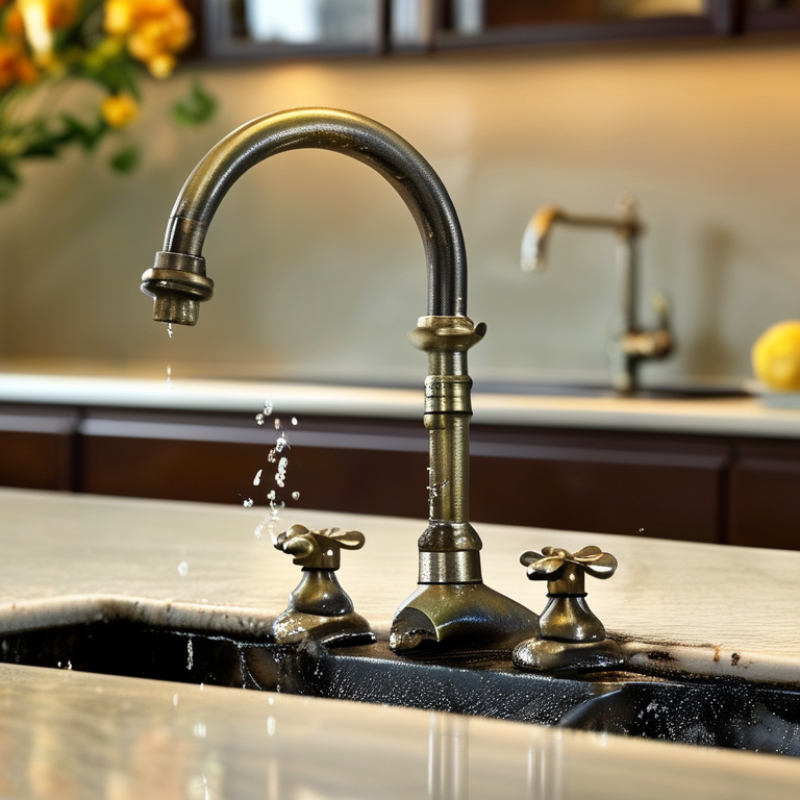
How to Clean Calcium Buildup on Faucets Effectively?

Understanding Calcium Buildup on Faucets: Causes and Effects

Calcium buildup on faucets is a common household issue. It occurs due to hard water, which contains high mineral levels. Over time, minerals like calcium and magnesium accumulate, resulting in unsightly deposits. These deposits not only affect the appearance of your faucets but can also impact water flow. If left untreated, the buildup may lead to costly plumbing repairs down the line.

Cleaning calcium buildup is essential to maintain both aesthetics and functionality. Vinegar is a natural solution, breaking down mineral deposits effectively. Soaking a cloth in vinegar and wrapping it around the faucet is a practical method. Leave it for a while, then wipe clean. In some cases, baking soda can enhance the cleaning power of vinegar. Yet, it’s important to remember that not all surfaces can withstand acidic solutions. Testing a small area first can prevent damage to finishes.

Recognizing the signs of buildup is crucial. Look for white, chalky stains around the faucet. Regular maintenance can help prevent severe buildup. Frequent cleaning and using a water softener may alleviate future problems. Sometimes, though, issues can escalate despite our best efforts. In those cases, seeking professional help ensures proper treatment without causing damage. Balancing routine care with awareness of limitations is vital for a long-lasting solution.

Essential Tools and Materials for Cleaning Faucets

Cleaning calcium buildup from faucets can be daunting. However, having the right tools makes it easier. Start with white vinegar, an effective natural cleaner for mineral deposits. You will also need a soft cloth or sponge for gentle scrubbing. An old toothbrush can reach those small crevices. Wearing gloves helps protect your hands from any irritation.

Consider using a plastic scraper for tougher deposits. These scrapers are gentle enough to not scratch the surface. Additionally, a spray bottle is handy for applying vinegar directly. A bowl can catch any drips and make cleanup simpler. You might find that using a mixture of baking soda and vinegar works wonders too. Just remember to use products that won’t damage your faucet's finish.

Keep in mind that while vinegar is effective, it may not work for all finishes. Some metals can tarnish or discolor, requiring careful handling. Assess the faucet material before proceeding. If your faucet shows signs of wear, more caution is needed. It’s essential to test any cleaning method on a small area first. This way, you can avoid any irreparable damage and make the cleaning process smoother.

Step-by-Step Guide to Cleaning Calcium Deposits

Calcium buildup on faucets can be frustrating. It doesn’t just look bad; it can affect water flow too. Thankfully, cleaning it is a straightforward process. Start by gathering supplies: vinegar, baking soda, and a soft cloth. Vinegar is a natural solution that effectively dissolves mineral deposits.

Begin by soaking the cloth in vinegar. Wrap it around the affected faucet area. Let it sit for about 30 minutes. This allows the acid in the vinegar to work. After the time is up, check the buildup. Most of the deposits should loosen. If residue remains, sprinkle some baking soda on top, and scrub gently.

Rinse the faucet with warm water. Inspect it closely. You may need to repeat the process for stubborn areas. Remember, this method is effective but not perfect. Some older faucets may require professional help. Regular maintenance can prevent heavy buildup in the future, ensuring your bathroom or kitchen looks clean and shiny.

Preventive Measures to Avoid Future Buildup

Calcium buildup on faucets is a common nuisance. To prevent this issue, consider a few simple measures. Regularly wipe down your faucets with a dry cloth after each use. This practice helps minimize moisture, which contributes to buildup over time. Ensuring that water is not left to sit on surfaces will significantly reduce staining and clutter.

You can also adjust your water softener if you have one. Hard water is a leading cause of calcium buildup. A well-functioning softener can help mitigate this problem. Another effective method is to check for leaks. Even small drips can create a wet environment, leading to more calcium deposits. Address these leaks promptly to maintain a clean faucet.

Using vinegar solutions can aid in prevention. Soaking a cloth in vinegar and wrapping it around the faucet can help. This method may not be ideal for everyone, but it has proven effective. Reflecting on these approaches can help you maintain your fixtures. Each small effort can lead to a cleaner and healthier kitchen or bathroom environment. Consider making these practices part of your routine.

Eco-Friendly Cleaning Alternatives for Faucets

Cleaning calcium buildup on faucets is essential for both aesthetics and functionality. Many homeowners seek eco-friendly solutions to tackle this problem. Studies show that over 85% of U.S. households encounter hard water issues, leading to mineral deposits on fixtures. Luckily, simple household items can effectively address this concern without harmful chemicals.

Vinegar is a popular and natural choice. Its acetic acid breaks down calcium deposits. To use, soak a cloth in vinegar, wrap it around the faucet, and let it sit for 30 minutes. This method is simple and often yields excellent results. Baking soda, renowned for its mild abrasive quality, can also help. Create a paste with baking soda and a small amount of water. Apply it to tough spots, then scrub gently and rinse.

While eco-friendly methods are effective, they aren't always foolproof. Some stains may require multiple treatments before removal. Additionally, these methods can be time-consuming for large buildups. Temperature and water quality also play a crucial role in maintenance. Regularly using these cleaning alternatives can not only maintain the faucet’s shine but also contribute to a healthier home environment.

Calcium Buildup on Faucets - Effective Cleaning Methods

This chart displays the effectiveness of various eco-friendly cleaning alternatives in removing calcium buildup from faucets. The data represents user satisfaction ratings on a scale of 1 to 5, where 5 indicates the highest level of satisfaction with the cleaning method.

FAQS

: What is the best natural cleaner for mineral deposits on faucets?

: White vinegar is highly effective for cleaning mineral deposits. It dissolves calcium buildup effectively.

What tools do I need to clean faucets?

Gather vinegar, a soft cloth, old toothbrush, plastic scraper, and gloves for protection.

How do I use vinegar to clean calcium buildup?

Soak a cloth in vinegar, wrap it around the faucet, and let it sit for 30 minutes.

What should I do if deposits remain after cleaning?

Sprinkle baking soda on the area and scrub gently, then rinse with warm water.

Is there a way to prevent calcium buildup?

Yes, regularly wipe down faucets with a dry cloth after each use to minimize moisture.

Can hard water cause problems with faucets?

Yes, hard water leads to calcium buildup. Adjusting your water softener could help reduce this issue.

Should I test cleaning methods before full application?

Yes, test any method on a small area first to avoid damaging the faucet’s finish.

Do all faucets respond well to vinegar cleaning?

No, some materials can tarnish or discolor, so assess your faucet's material before using vinegar.

Can I rely on these cleaning methods for all faucets?

These methods may not be perfect for older faucets. Some might need professional cleaning.

How important is regular maintenance to prevent buildup?

Regular maintenance is crucial. It helps maintain a clean appearance and reduces heavy buildup over time.

Conclusion

Calcium buildup on faucets is a common issue caused by hard water, leading to unsightly deposits that can affect water flow and overall appearance. To effectively address this, it's essential to first understand the causes and effects of such buildup. The cleaning process requires specific tools and materials, which are outlined in a step-by-step guide on how to clean calcium buildup on faucets. This guide not only details the cleaning procedure but also includes preventive measures to avoid future deposits. Furthermore, it offers eco-friendly cleaning alternatives that can be used to maintain faucets without harmful chemicals, ensuring both cleanliness and environmental safety.

Isabella

Isabella

Isabella is a dedicated marketing professional with a sharp focus on driving brand growth and engagement through strategic content creation. With an extensive background in digital marketing, she combines her passion for storytelling with her keen understanding of industry trends to deliver......