When selecting fixtures for your home, understanding finishes is crucial. Specifically, many homeowners wonder, "what is the difference between chrome and brushed nickel?" Both finishes offer unique characteristics and aesthetics. Chrome features a shiny, reflective surface that adds a modern touch to any space. It’s perfect for those who appreciate sleek designs.
Brushed nickel, on the other hand, provides a softer, more muted look. Its matte finish is less reflective, giving it a warm, inviting feel. This finish is often favored for traditional or rustic interiors.
Understanding these distinctions can significantly influence your design choices. Each finish has its advantages and potential drawbacks. Chrome may show water spots and fingerprints easily. Brushed nickel, while beautiful, can sometimes appear dull over time. Choosing between them requires careful thought about your home's overall style and practicality.
Understanding Chrome: Characteristics and Uses
When considering the characteristics of chrome, it's important to note its shiny, reflective surface. Chrome is made from a thin layer of chromium applied to metal, giving it a polished appearance. It's commonly used in bathrooms and kitchens due to its durability and resistance to corrosion. The bright finish can enhance modern decor, but it may show water spots and fingerprints easily.
Tips: To keep chrome surfaces looking pristine, regularly clean them with a mild detergent and dry immediately with a soft cloth. Avoid abrasive cleaners as they can scratch the surface, diminishing its shine.
Another aspect of chrome is its versatility. Chrome fixtures complement various interior styles, from sleek industrial designs to classic looks. However, it's essential to consider its maintenance needs. Over time, chrome can lose its luster if not cared for properly. Regular upkeep is key to preserving its appeal.
Tips: For areas with hard water, consider using a water softener. This can help reduce mineral deposits on chrome finishes, prolonging their lifespan. Remember that while chrome is durable, it can still degrade when exposed to harsh environments.
Exploring Brushed Nickel: Properties and Applications
Brushed nickel is a popular choice for hardware and fixtures. Its distinctive matte finish offers a modern look that many homeowners love. This finish is resistant to scratches and fingerprints, making it practical for high-traffic areas. According to a report by the Home Improvement Research Institute, brushed nickel was favored in over 30% of recent kitchen and bath renovations.
One critical aspect of brushed nickel is its durability. This finish can withstand wear and tear better than polished surfaces. It also blends well with various styles, from contemporary to traditional, enhancing a room's aesthetics without overwhelming it. Moreover, brushed nickel is often more affordable than chrome, appealing to budget-conscious consumers.
Tips: When selecting brushed nickel, check for quality certifications. Look for finishes that offer a balance between aesthetic appeal and resilience. Also, consider how the color interacts with your space. Brushed nickel may change appearance based on lighting. Remember, small variations in finish can significantly impact the overall look of your project.
Comparative Analysis: Chrome vs. Brushed Nickel Finishes
When choosing between chrome and brushed nickel finishes, several key differences emerge.
Chrome offers a shiny, reflective surface that exudes modern elegance. It is often easier to clean, as its smooth texture resists stains and fingerprints. However, this brilliance can sometimes feel cold or sterile in certain designs.
On the other hand, brushed nickel presents a softer, more muted appearance. Its satin finish gives warmth and character to spaces. This finish may hide fingerprints better than chrome but can show water spots more prominently. Many find that the subtle texture of brushed nickel adds depth to their decor.
Both finishes have their merits and drawbacks. Chrome shines brightly in contemporary settings, while brushed nickel brings timeless charm. It's essential to consider the overall design and desired atmosphere when making your choice. Individual preferences will ultimately guide which finish best suits the space.
Factors Influencing Choice: Durability, Maintenance, and Aesthetics
When choosing between chrome and brushed nickel, three factors stand out: durability, maintenance, and aesthetics. Chrome finishes are known for their shiny, reflective surface. They resist corrosion quite well, making them a durable choice for high-humidity areas. However, they can show water spots and fingerprints easily. This might require more frequent cleaning to maintain their luster.
Brushed nickel, on the other hand, presents a softer, more muted appearance. It offers a warm, inviting tone that complements many design styles. Although it is also quite durable, it may show scratches more easily than chrome. Maintenance is relatively simple, needing just a quick wipe down with a gentle cleanser. The aesthetics of brushed nickel can add a touch of elegance, but some may feel it lacks the modern glamour of chrome finishes.
Consider your lifestyle when making a choice. If you desire a low-maintenance option that still looks good, you might prefer brushed nickel. But if you prioritize the sleek shine of chrome, be prepared for a bit of upkeep. Reflect on your space and needs. Each finish tells a different story and impacts the atmosphere of your home.
Comparison of Chrome and Brushed Nickel: Durability, Maintenance, and Aesthetics
Common Applications in Home Design: Where to Use Each Finish
When it comes to home design, choosing the right finish can greatly impact the overall aesthetic. Chrome and brushed nickel are two popular options. Each has its unique applications and attributes that can enhance different spaces.
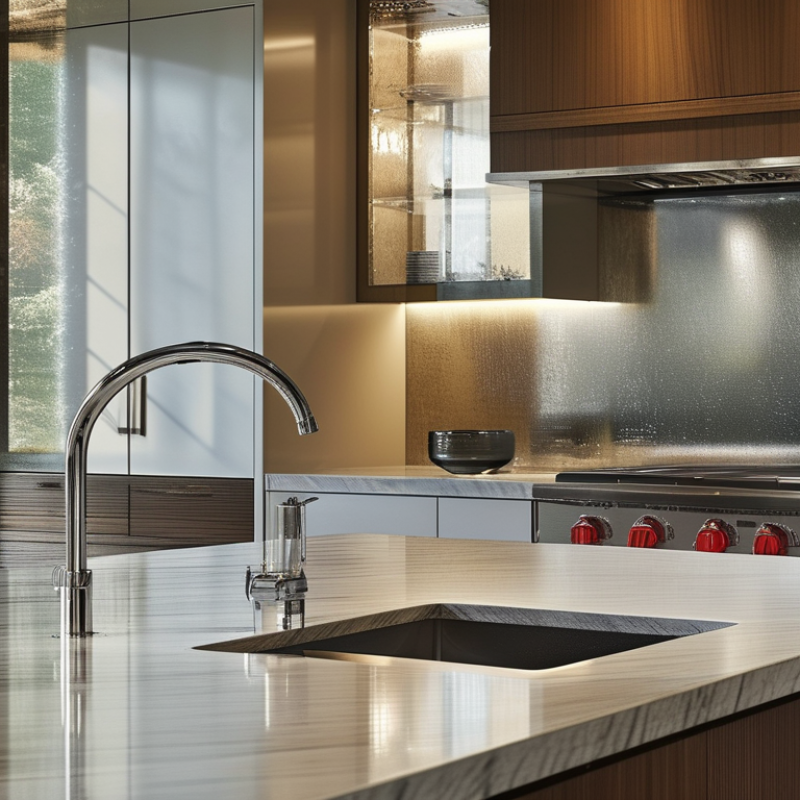
Chrome is characterized by its shiny, reflective surface. It often appears modern and sleek, making it ideal for contemporary bathrooms and kitchens. Fixtures in polished chrome can brighten spaces and create a sense of spaciousness. A chrome faucet can draw attention in a minimalist design, serving as both a functional and decorative piece. However, its polished surface can show fingerprints and water spots easily, requiring more frequent cleaning.
On the other hand, brushed nickel offers a warm and subtle charm. Its matte finish is less reflective, making it suitable for a more rustic or traditional look. Brushed nickel works well with warm tones and dark woods. It is less prone to show smudges, making it a practical choice for frequently used fixtures. However, it can sometimes fade over time, losing its original luster. Understanding the specific needs of your space will help determine which finish works best.
What is the Difference Between Chrome and Brushed Nickel? - Common Applications in Home Design: Where to Use Each Finish
| Finish Type |
Characteristics |
Common Applications |
Durability |
Maintenance |
| Chrome |
Shiny, reflective finish; modern appearance |
Bathroom fixtures, kitchen faucets, cabinet hardware |
Highly durable; resistant to tarnishing |
Easy cleaning; typically requires minimal upkeep |
| Brushed Nickel |
Satin finish; warm and softer appearance |
Lighting fixtures, sinks, and door handles |
Durable; resistant to fingerprints and water spots |
Requires regular cleaning with gentle cleaners |
FAQS
: Brushed nickel is a finish known for its matte look. It is popular for hardware and fixtures.
The finish resists scratches and fingerprints. It withstands wear and tear better than polished surfaces.
It enhances aesthetics without overwhelming the space. It suits various styles, from modern to traditional.
Check for quality certifications. Consider color interactions with your space and lighting effects.
It’s ideal for faucets, cabinet hardware, and light fixtures. Use it in high-traffic areas for practicality.
Brushed nickel has a warm charm. Chrome is shiny, often requiring more maintenance due to fingerprints.
Yes, it can lose luster as time passes. Regular cleaning can help maintain its appearance.
Generally, it is more budget-friendly than chrome. This appeals to consumers looking to save costs.
Polished chrome is known for showing fingerprints and water spots. Frequent cleaning is necessary for it.
Brushed nickel's appearance can change under different lighting. Observe it in your space before finalizing.
Conclusion
When exploring what is the difference between chrome and brushed nickel, it is essential to understand their unique characteristics and uses. Chrome finishes are known for their shiny, mirror-like appearance, making them a popular choice for modern and contemporary designs. In contrast, brushed nickel offers a softer, muted look due to its textured surface, which can provide a warm, inviting atmosphere in various settings.
A comparative analysis reveals that while chrome is highly reflective and easier to clean, brushed nickel is more resistant to fingerprints and smudges, contributing to its appeal in high-traffic areas. The choice between these two finishes is often influenced by factors such as durability, maintenance requirements, and overall aesthetic preferences. Common applications include faucets, cabinet hardware, and light fixtures, where the finish can significantly impact the overall design scheme of a space.

 Flow Faucet