Maintaining clean drinking water is essential for good health. One critical aspect is knowing how to sanitize a drinking water faucet. Over time, faucets can accumulate bacteria, sediment, and mineral deposits. These contaminants may affect the quality of the water you consume.
Many assume their faucet is clean just because it looks good. However, regular sanitization is crucial. Using the right techniques and products will help reduce harmful substances present. It's important to take a consistent approach to faucet maintenance. Many homeowners overlook this important task, leading to potential health risks.
When you learn how to sanitize a drinking water faucet, you're safeguarding your family's well-being. The process is not complicated, yet many people underestimate its significance. Making this effort can enhance the overall quality of your drinking water. Embracing sanitation practices will boost your confidence in the safety of your water supply.
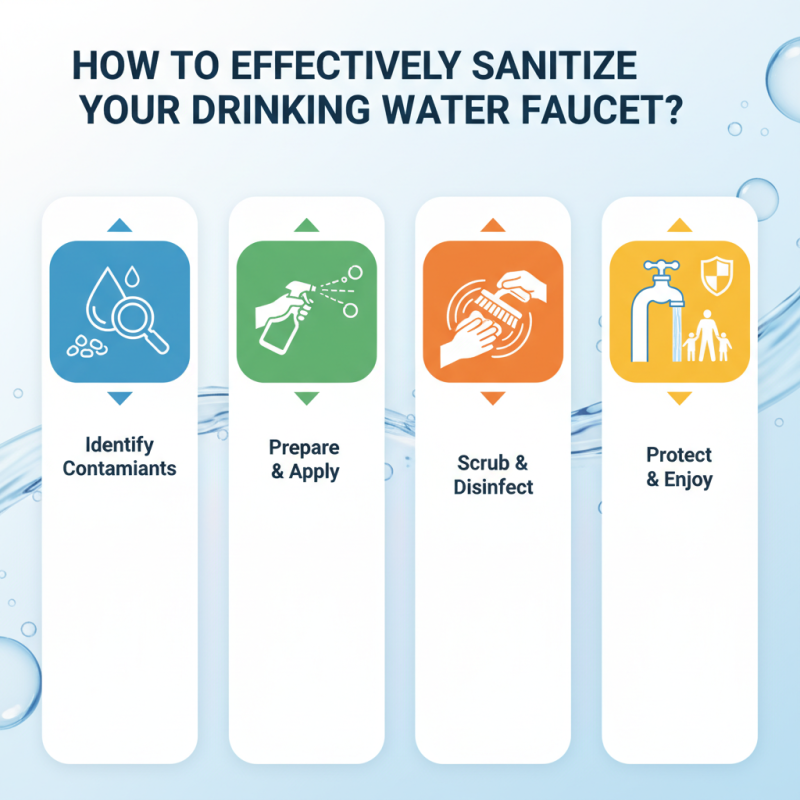
Sanitizing your drinking water faucet is crucial. Studies show that faucets can harbor harmful pathogens. According to the Centers for Disease Control and Prevention (CDC), nearly 2 million Americans get sick from waterborne diseases annually. This statistic highlights the importance of routine sanitation.
A thorough cleaning regimen can prevent contamination. Use a solution of vinegar and water or a mild bleach mixture. Wipe down the faucet regularly, paying special attention to the handle and spout areas. These spots often gather bacteria. Even a small number can pose health risks, such as gastrointestinal issues.
Many people overlook this simple task. They may think, "It looks clean enough." However, microbial growth can be invisible. Inadequate sanitation may lead to long-term exposure, raising concerns over chronic health issues. Regular maintenance is essential to ensure safe drinking water. Remember, your health is worth the effort.
Many people overlook the contaminants that can accumulate on drinking water faucets. A study by the Environmental Protection Agency (EPA) found that 25% of household faucets harbor dangerous microbes. These can include bacteria like E. coli and Salmonella. Even harmless bacteria can thrive in biofilms on faucet surfaces, posing risks to health.
Common contaminants also include lead and other heavy metals. According to the CDC, lead can leach from old pipes and fittings, especially if the water is acidic. The threshold for lead exposure is frighteningly low. Children are particularly vulnerable, as even small amounts can lead to developmental issues. Furthermore, regular cleaning can help minimize these risks, yet not everyone follows this practice.
An occasional wipe-down may not suffice. The faucet's spout and handle often escape thorough cleaning. It's not uncommon for people to ignore these parts. A survey revealed that 60% of respondents rarely clean the faucet area. This neglect allows microorganisms to thrive. Addressing this can drastically improve your water quality. Regular maintenance is key yet often forgotten.
Sanitizing your drinking water faucet is essential for health. Start by gathering supplies. You'll need a soft brush, vinegar, and a clean cloth. Ensure your hands are clean before you touch any surfaces.
Remove any visible debris from the faucet. Use the brush to scrub hard-to-reach areas. Pay attention to the spout and handle where germs often lurk. After brushing, soak a cloth in vinegar. Wipe down the entire faucet, including the base. Vinegar helps remove mineral buildup and has antibacterial properties.
Rinse the faucet well with water. This step is crucial to remove any residue. After rinsing, dry the faucet with a clean cloth. Check for any areas that may need a second cleaning. Sometimes, the process doesn’t feel perfect, and that's okay. Reflection on your technique can improve future cleanings. Regular sanitization prevents bacteria growth and keeps your water safe.
Sanitizing your drinking water faucet is crucial for health. Regular maintenance helps prevent bacteria growth. According to the Water Quality Association, around 40% of household faucets harbor harmful microorganisms. Cleaning solutions play a significant role in maintaining faucet hygiene.
Using a simple mixture of warm water and white vinegar can effectively kill germs. Vinegar has antimicrobial properties. Research indicates it can reduce bacterial presence by over over 80%. For tough stains and residues, a baking soda paste works wonders. Apply it on stubborn spots, let it sit for ten minutes, and scrub gently.
While these methods are effective, inconsistent cleaning habits can lead to contamination risks. A survey from the Centers for Disease Control and Prevention reveals that many people overlook faucet maintenance. It's essential to recognize that neglecting this task can compromise water quality. Setting reminders for regular cleaning can help ensure safe drinking water.
Keeping your drinking water faucet hygienic is crucial for health. Regular cleaning helps eliminate harmful bacteria and prevents buildup. Aim to sanitize your faucet at least once a week. High-traffic areas in your kitchen may require more frequent attention.
Use a simple solution of vinegar and water for effective cleaning. Spray it on the faucet and let it sit for a few minutes. A scrub brush can reach tight spots, ensuring you remove grime. Remember to wipe away any residue afterward. Rinse it well with clean water to avoid any lingering taste.
Don't neglect the aerator. It can trap debris and bacteria. Remove it every month, soak it in vinegar, and scrub it gently. While these methods work, staying consistent is essential. Forming a cleaning habit can be challenging. Reflect on your current routine. Could you prioritize faucet hygiene more?
This chart illustrates the recommended frequency for various maintenance practices to ensure the hygiene of drinking water faucets.
: Drinking water faucets can accumulate dangerous microbes, including E. coli and Salmonella. Heavy metals like lead may also be present.
Lead can leach from old pipes. Even low exposure levels can harm children's development.
Regular cleaning is crucial. Many people fail to clean faucets, allowing germs to thrive.
Gather a soft brush, vinegar, and a clean cloth. Clean hands are essential too.
Remove visible debris using a brush. Focus on hard-to-reach areas like the spout and handle.
Vinegar removes mineral buildup and has antibacterial properties, effectively killing germs.
Rinse the faucet thoroughly with water to remove any residue. Then dry it with a clean cloth.
Many neglect to clean the faucet's spout and handle. This oversight can lead to bacterial growth.
A baking soda paste can tackle tough stains. Apply it, let it sit, and scrub gently.
Setting reminders may help remember cleaning tasks. Neglecting this affects water quality.
Sanitizing your drinking water faucet is crucial to ensure safe and clean drinking water. Understanding the importance of maintaining the hygiene of your faucet helps in recognizing the common contaminants that can accumulate over time. To effectively learn how to sanitize a drinking water faucet, it's essential to follow a step-by-step guide that includes recommended cleaning solutions and techniques for optimal results.
Regular maintenance is key, so adopting best practices for frequency and sanitation can significantly enhance your faucet's hygiene. By incorporating these methods into your routine, you can safeguard your family's health and ensure that the water dispensed is free from harmful bacteria and other contaminants.

Flow Faucet