Why Does My Faucet Whistle and How to Fix It?

Time:2026-05-01 Author:Madeline
0%

If you’ve ever asked yourself, “why does my faucet make a whistling noise,” you’re not alone. Many homeowners experience this frustrating sound. The whistling can vary in pitch and intensity, making it an annoying household issue. Understanding the reasons behind this noise is essential.

Faucet whistles can stem from several causes, often linked to loose or worn components. A faulty washer is a common culprit. When water flows through a damaged washer, it can create that high-pitched sound. Another potential source is air bubbles in the plumbing system. These can form due to poor water pressure. Recognizing these details can help you assess the problem accurately.

Addressing the whistling noise requires careful inspection. A DIY approach is possible for many, but consider consulting a plumber for persistent issues. Knowledge of your plumbing system is crucial. Rely on reliable resources and expert advice to guide you through this process. Solving the problem not only quiets your faucet but also ensures your plumbing functions correctly.
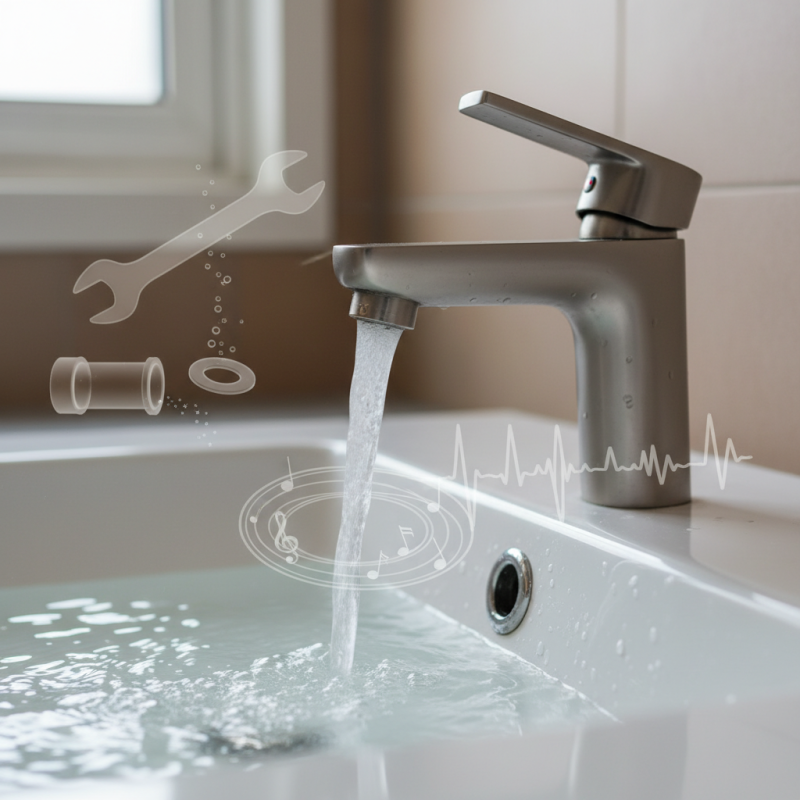
Why Does My Faucet Whistle and How to Fix It?

Common Causes of Faucet Whistling Sounds

Faucet whistling can be a common nuisance in many households. Understanding the common causes can help you troubleshoot effectively. A primary reason for the whistling sound is the water flow restriction, often caused by mineral build-up in aerators. According to a study by the American Water Works Association, nearly 30% of faucet issues arise from sediment interference.

Another potential culprit is the high water pressure in your plumbing system. The American Society of Plumbing Engineers suggests that optimal home water pressure lies between 40 to 60 psi. If the pressure exceeds this range, it can lead to whistling sounds. Checking your home’s pressure can prevent future problems.

Tips: Regular maintenance is key. Clean the aerator every few months to reduce debris build-up. Also, install a pressure gauge to monitor your water pressure.

Lastly, some whistling sounds are due to faulty washers or O-rings. These components can wear out over time. If you're not experienced in plumbing repairs, this may require a professional. Neglecting these issues can lead to leaks and waste water, which is a growing concern in water conservation efforts. Always address whistling sounds promptly to ensure efficient plumbing.

Identifying the Specific Type of Whistling Noise

Faucet whistling is often an annoyance that many homeowners encounter. Identifying the specific type of whistling noise can help address the issue effectively. A high-pitched whistling typically indicates a problem with water pressure. Low water pressure may cause pipes to vibrate, leading to this noise. If this is the case, consider checking your water pressure settings.


Another common type of whistling occurs due to debris or mineral build-up in the faucet aerator. Minerals can accumulate over time, resulting in restricted water flow. To fix this, remove the aerator and clean it thoroughly. Sometimes, replacing it with a new one can resolve the issue entirely. You might be surprised by the amount of buildup collected.


Additionally, a whistling sound can also be caused by loose or damaged washers within the faucet. The sound may vary depending on how severe the problem is. Checking and replacing these components can often eliminate the noise. Homeowners may overlook these simple solutions but addressing them will lead to a quieter, more efficient faucet.

Step-by-Step Troubleshooting for Faucet Whistling

If your faucet whistles, it may be due to high water pressure or a faulty valve. Understanding these issues helps in troubleshooting effectively. Industry studies indicate that over 30% of plumbing issues stem from improper water pressure settings. Ensure your pressure does not exceed 60 psi for optimal performance.

Begin by checking the aerator. Sediment buildup can cause noise. Remove and clean it, as this can eliminate whistling. Reinstall it carefully. If the issue persists, inspect the washers and O-rings. Worn or damaged components may lead to air pressure imbalances. Replacing these parts can greatly reduce or eliminate unwanted noises.

**Tips:** Regular maintenance can prevent many plumbing issues. Consider inspecting your faucet every six months. Keeping components clean can save you time and money. If all else fails, consult a professional plumber for insights. They can provide specific recommendations based on their expertise. Remember, addressing issues early often prevents escalation.

Effective Solutions to Fix a Whistling Faucet

A whistling faucet can be more than just an annoyance. It often indicates underlying issues that require attention. According to a study by the Plumbing-Heating-Cooling Contractors Association, nearly 30% of residential plumbing issues stem from aerator problems. When air enters the water flow, it can create a whistling sound. This phenomenon typically arises from clogged aerators or worn-out washers.

To resolve this, start by checking the aerator. Simply unscrew it from the faucet, inspect for debris, and clean it. If the issue persists, look for damaged washers inside the faucet. Replacing these can be a straightforward DIY task. You’ll likely notice an immediate reduction in noise. Remember, keeping your faucet components clean is crucial. Regular maintenance can prevent whistling and extend the life of your fixtures.

Tip: Perform a monthly check on your faucet. Look for leaks, unusual sounds, and any buildup. Early detection can save you from larger plumbing problems down the road. Keeping an eye on your plumbing not only lessens the chances of a whistling sound but helps maintain the efficiency of water usage in your home, which is vital for sustainable living.

When to Call a Professional Plumber for Assistance

When it comes to a whistling faucet, knowing when to call a professional plumber is crucial. Plumbing systems are complex. Minor issues can escalate quickly. According to the American Society of Home Inspectors, over 60% of home plumbing problems require the expertise of a licensed plumber. If you encounter persistent whistling, it might be a sign of deeper issues like air in the lines or damaged components.

If you notice the whistling increasing with pressure changes, it's time to seek professional help. A specialized plumber can assess whether it’s a simple fix or if something more serious is at play. They have the tools and knowledge to identify issues that aren’t immediately visible. Waiting too long can lead to leaks that cost much more to repair.

Tip: Regular maintenance can prevent whistling noises. Ensure your faucet's aerators are clean and the valves are functioning well. Tip: If you hear a whistle, turn off the faucet immediately. This can prevent further damage. Pay attention to water pressure — it should be consistent.

If the whistling persists despite your efforts, consider contacting a plumber. Professionals can troubleshoot effectively. Their expertise can save you time and money in the long run. Don't hesitate when plumbing problems arise; addressing them quickly is vital for home safety.

FAQS

: What causes faucet whistling sounds?

: Faucet whistling often comes from water flow restrictions or high water pressure. Mineral buildup in aerators is a common issue.

How does water pressure affect faucet noise?

High water pressure, above 60 psi, may cause whistling sounds. Maintaining pressure within the 40 to 60 psi range is ideal.

What should I do if my faucet whistles?

Regular maintenance is essential. Clean the aerator every few months to prevent debris buildup and monitor your water pressure.

How can I identify the type of whistling noise?

High-pitched sounds may indicate pressure issues, while low sounds often result from mineral buildup in the faucet aerator.

When should I call a plumber for a whistling faucet?

If whistling persists despite cleaning or adjusting pressure, consult a plumber. They can identify deeper issues that require expertise.

What simple fixes can I try first?

Check for loose washers and O-rings. Replacing these components often resolves the whistling. Don’t ignore these minor issues.

Is regular maintenance necessary for faucets?

Yes, regular checks can prevent whistling and leaks. Neglecting maintenance can lead to increased plumbing costs later.

Can water conservation efforts be affected by whistling faucets?

Absolutely. Whistling signals potential leaks or inefficiencies. Addressing these sounds helps conserve water and protects resources.

Conclusion

If you've ever wondered "why does my faucet make a whistling noise," you are not alone. Faucet whistling sounds can be attributed to several common causes, such as high water pressure, mineral buildup, or faulty washers. Identifying the specific type of whistling noise is crucial, as it guides the troubleshooting process.

To address the issue, follow a step-by-step approach to diagnose problems, which may include checking for loose components or obstructions in the aerator. Effective solutions may involve cleaning the faucet, replacing worn-out parts, or adjusting the water pressure. If the issue persists despite your efforts, it might be time to call a professional plumber for assistance to ensure a permanent fix.

Madeline

Madeline

Madeline is a dedicated marketing professional with a wealth of expertise in our company's core offerings. With a keen understanding of the industry, she brings a unique perspective to her role, consistently delivering high-quality content that highlights the superior aspects of our products. As......