How to Fix Low Water Pressure in Your Kitchen Faucet?

Time:2026-04-14 Author:Sophia
0%

Low water pressure in your kitchen faucet can be frustrating. Many homeowners ask, "why is my kitchen faucet pressure so low?" This issue affects daily tasks like cooking and cleaning. According to the American Water Works Association, about 59% of households experience low water pressure at some point. This statistic highlights the prevalence of the problem.

Several factors could cause low pressure. Clogged aerators, damaged supply lines, or even municipal supply issues can contribute. A report from the Plumbing-Heating-Cooling Contractors Association suggests that regular maintenance can prevent these problems. However, many homeowners neglect this aspect.

When faced with low water pressure, it’s essential to identify the culprit. Sometimes, simple fixes like cleaning the aerator or checking for leaks can yield significant improvements. Reflecting on your water pressure issues may reveal overlooked maintenance tasks or outdated plumbing systems. Addressing these can restore the efficiency of your kitchen faucet and enhance your daily home experience.
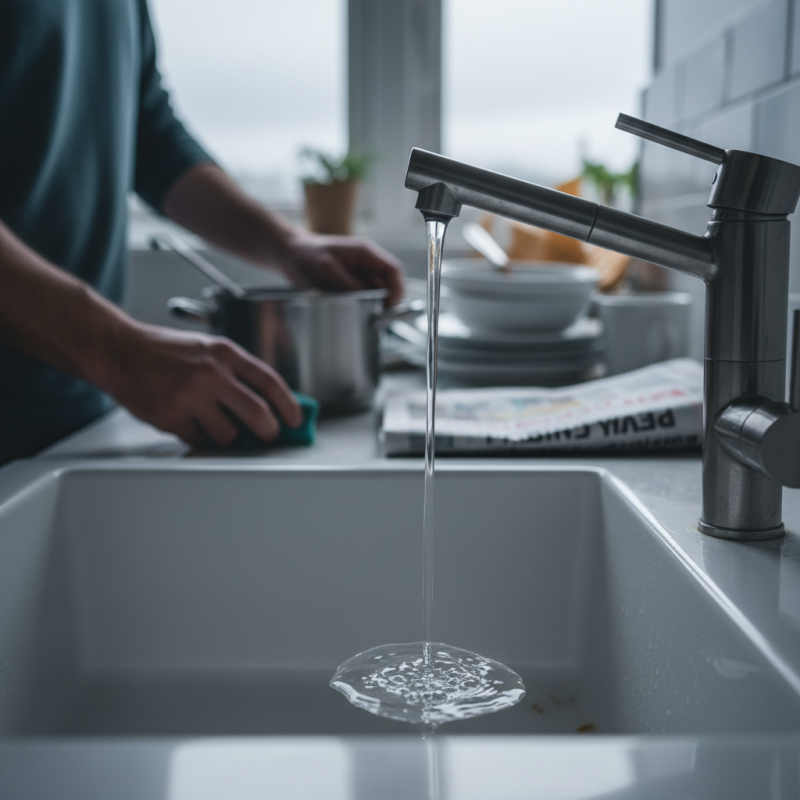
How to Fix Low Water Pressure in Your Kitchen Faucet?

Understanding Low Water Pressure: Common Causes in Kitchen Faucets

Low water pressure in kitchen faucets is common. Understanding its causes is essential for effective solutions. According to the American Society of Plumbing Engineers, up to 15% of households experience low water pressure issues at some point. The primary culprit often involves outdated plumbing systems. Corrosion and mineral deposits can block pipes over time, leading to inadequate flow.

Another significant factor is the aerator. This small screen at the tip of the faucet can become clogged with debris. Regular cleaning can resolve this issue. A report by the National Sanitation Foundation indicates that nearly 45% of faucet problems are related to aerators. Additionally, supply line issues can lead to low pressure. If the lines are kinked or damaged, the water flow decreases dramatically.

Some homeowners overlook these factors. They might rush to call a plumber without checking simple fixes first. It’s worthwhile to inspect fixtures before seeking help. Understanding these common causes can empower homeowners to tackle low water pressure effectively. Not every solution requires professional assistance, but recognizing the signs early can save time and resources.

Assessing Your Kitchen Faucet: Tools and Methods for Measurement

Assessing your kitchen faucet is the first step in tackling low water pressure. Start with basic tools like a wrench and a pressure gauge. These simple tools will help you identify the source of the problem. You can measure flow rate by filling a container. A standard 1-gallon bucket can show you how much water flows in a minute. If it’s less than expected, you may have an issue.

Check the aerator next. Often, it's clogged with mineral deposits. Unscrew the aerator and clean it thoroughly. This small part can dramatically affect flow. If cleaning doesn't restore the pressure, inspect the supply lines. Look for kinks or blockages. It might be beneficial to have a flashlight handy for a closer look.

If you’re still experiencing low pressure, consider looking at the shutoff valves. These should be fully open for optimal flow. Keep in mind that older faucets can wear out, leading to pressure drop. Sometimes, reflecting on the age and condition of your fixtures is necessary. Replacing a worn faucet is an investment in better water flow.

Common Blockages: Identifying and Clearing Clogs in Faucet Lines

Identifying and clearing blockages in your kitchen faucet lines can significantly improve water pressure. One common issue is the accumulation of mineral deposits. Over time, these deposits can build up in aerators and filters, restricting water flow. To check this, turn off the water supply and remove the aerator. Clean it by soaking it in vinegar for at least an hour. This simple step often restores water pressure.

Another potential problem lies within the faucet’s supply lines. Crimped or kinked hoses can impede water flow. Inspect the supply lines for any visible damage or bends. If you find any, gently straighten them. While this may seem like a quick fix, sometimes replacing the entire supply line is necessary. Regular inspections can prevent these issues from escalating into bigger problems, but many homeowners overlook this.

Don’t forget to consider kitchen appliances that connect to your water line. Dishwashers and refrigerators can create blockages too. Ensure that their connections are clean and unobstructed, as these can affect your faucet’s performance. If you are unsure of the best approach, getting advice from a plumbing professional can save you time and future headaches.

Identifying Common Blockages in Kitchen Faucet Lines

Evaluating Your Home's Water Supply: Pressure Standards and Testing

When assessing your home's water supply, understanding pressure standards is essential. The American Water Works Association indicates that optimal residential water pressure ranges between 40 to 60 psi (pounds per square inch). Too low, and you may experience weak faucet flow. Too high, and it may lead to leaking pipes. Testing your water pressure is crucial in identifying issues. A simple pressure gauge can provide instant feedback.

If your measurements fall below 30 psi, it's advisable to investigate further. Low water pressure can stem from various sources, including municipal supply issues or blockages in your plumbing system. Regular maintenance of your plumbing system is vital. For example, flushing sediment from water heaters helps maintain efficiency. Additionally, factors such as pipe diameter and age can impact overall flow. Old, narrow pipes restrict water movement, exacerbating pressure problems.

High demand during peak hours can also affect pressure levels. Households with multiple fixtures running simultaneously often experience drops in pressure. Understanding these dynamics empowers homeowners. Evaluate your plumbing layout and consider calling a professional if persistent issues arise. Low water pressure can be frustrating but knowing the standards and methods for testing can guide effective solutions.

Upgrading Your Faucet: When Is a Replacement Necessary for Better Flow?

When upgrading your kitchen faucet, several factors may indicate it's time for a replacement. A decline in water flow is a common issue. This often happens as faucet aerators become clogged with minerals over time. In some cases, cleaning the aerator can restore flow. However, if problems persist, it may be time to consider a new faucet.

A poorly functioning faucet can also lead to leaks. Not only do these leaks waste water, but they can also increase your water bill. Visible signs of wear and tear, like cracks or corrosion, often signal that replacement is necessary. Choosing a new faucet might be daunting, but it can enhance both functionality and style.

In older homes, plumbing issues could further complicate water pressure problems. This complexity makes deciding to replace a faucet more challenging. A professional plumber can help evaluate your situation. They can provide insights into whether an upgrade is needed or if repairs would suffice. Investing in a quality faucet may lead to better long-term results.

FAQS

: What tools do I need to assess my kitchen faucet?

: Basic tools include a wrench and a pressure gauge for effective assessment.

How can I measure the flow rate of my faucet?

Fill a standard 1-gallon bucket to measure how much water flows in a minute.

What should I check if the water pressure remains low?

Inspect the aerator for clogs and clean it thoroughly.

How can I identify blockages in the plumbing system?

Look for kinks or blockages in the supply lines using a flashlight.

What should I do if the shutoff valves are not fully open?

Ensure the shutoff valves are fully open for better water flow.

How can the age of my faucet affect water pressure?

Older faucets may wear out, causing a drop in water pressure over time.

What are optimal residential water pressure standards?

The ideal water pressure ranges between 40 to 60 psi.

What is a sign that I need further investigation of water pressure?

Measurements below 30 psi indicate potential issues within the system.

How can household demand affect water pressure?

Using multiple fixtures at once may lead to noticeable drops in pressure.

Why is regular plumbing maintenance important?

Maintenance helps avoid blockages and improves overall efficiency in the system.

Conclusion

Low water pressure in your kitchen faucet can be a frustrating issue for many homeowners, prompting the question: "why is my kitchen faucet pressure so low?" Understanding the common causes of low water pressure is essential, as it can stem from various factors such as clogged aerators, sediment buildup in the faucet lines, or even issues related to the home’s overall water supply.

To address this issue effectively, one must assess the kitchen faucet using specific tools and methods to measure the water pressure accurately. Identifying and clearing common blockages is crucial, which may involve cleaning out aerators or inspecting the supply lines for obstructions. Additionally, evaluating your home’s water supply and ensuring it meets pressure standards can offer insights into the problem. In some cases, upgrading or replacing your faucet may be necessary to achieve better water flow and resolve persistent low pressure issues.

Sophia

Sophia

Sophia is a dedicated marketing professional with an exceptional depth of knowledge about her company's products and services. With a keen understanding of market trends and customer needs, she crafts insightful blog posts that not only inform but also engage readers, enriching the company’s online......