In recent years, homeowners have increasingly noticed an annoying sound coming from their faucets. The whistling noise can be perplexing but is often a common issue. "Why does my faucet make a whistling noise?" is a question frequently posed to plumbing experts. John Smith, a plumbing specialist with over 15 years of experience, states, "Most whistling sounds are related to air gaps or worn-out washers."
Faucets can emit these sounds due to various reasons. If a washer is worn out, it causes water to flow irregularly, leading to a whistling effect. In some cases, a poorly installed aerator can create turbulence, resulting in noise. Not addressing these issues promptly can lead to bigger problems, increasing repair costs.
Listening to your faucet can save you from future hassles. Identifying and understanding the cause of the noise is vital. Whether it's a simple fix or requires professional help, evaluating the situation is crucial. Homeowners should not ignore that deliberate whistling sound. It can serve as an early warning sign for more significant plumbing issues lurking beneath the surface.
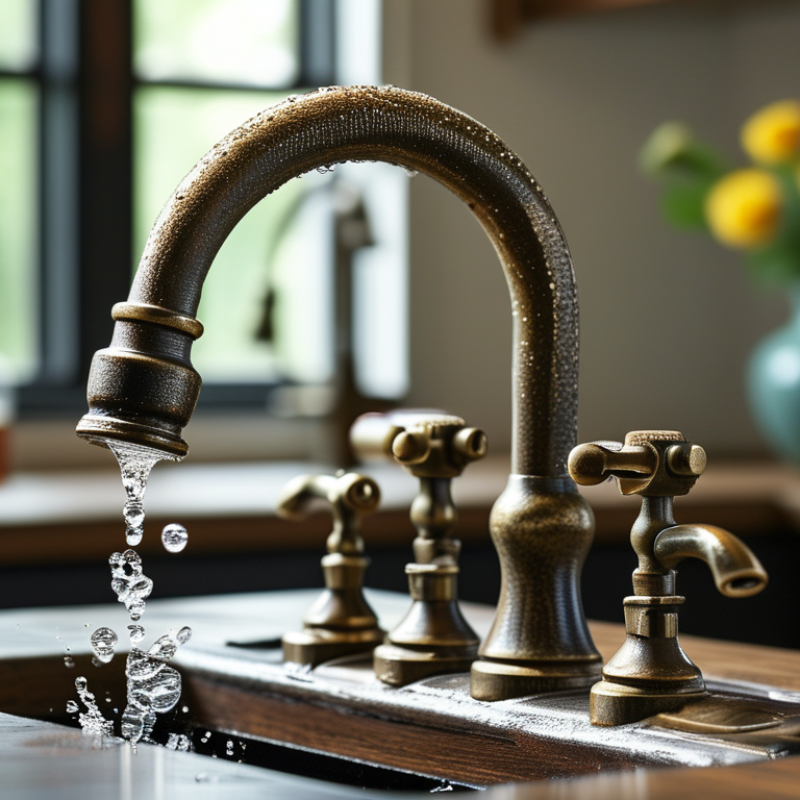
Whistling noises from faucets can be quite bothersome. Understanding the causes can help in addressing the issue effectively. One primary reason for a whistling faucet is high water pressure. When pressure exceeds the recommended level, it forces water through small openings, creating noise. This can often be fixed by adjusting the pressure regulator in your home.
Another common cause is debris buildup in the faucet aerator. Over time, sediment and mineral deposits can restrict water flow. Cleaning the aerator can often eliminate this annoying sound. A simple removal and soak in vinegar can do wonders. Don’t forget to rinse it well.
Sometimes, worn-out washers or O-rings can also be culprits. As they degrade, they may cause vibrations leading to whistling. Replacing these components might require some basic plumbing skills. If you’re unsure, consulting a professional can save you time and frustration. Keep in mind that while some solutions are simple, others may need more attention.
Identifying the type of faucet you have is crucial for addressing whistling noises. Faucets can be divided into various categories: compression, cartridge, ball, and ceramic disc. Each type has its own unique mechanisms and potential issues. Understanding these distinctions helps in troubleshooting effectively.
Compression faucets are often found in older homes. They utilize rubber washers to create a seal. If the washers wear out or become loose, they may produce a whistling sound. Cartridge faucets are more common in modern designs. They use a plastic or brass cartridge. If the cartridge is stuck or damaged, it can lead to unexpected noises.
Ball faucets, typically in kitchen sinks, operate using a moving ball to control water flow. If debris accumulates, the faucet may whistle. Lastly, ceramic disc faucets have a more advanced design. They use rotating disks for a tight seal. If the disks are misaligned, whistling can occur. Identifying your faucet type simplifies the noise-fixing process. Each faucet has specific needs and potential issues, requiring a tailored approach for resolution.
Dealing with a whistling faucet can be bothersome. Fortunately, fixing this issue is often within reach for most homeowners. Begin by identifying the source of the whistling noise. Often, a worn-out washer or a loose screw can create a high-pitched sound as water flows through. Turn off the water supply first to prevent any unexpected leaks.
After you turn off the water, remove the handle and expose the faucet's inner workings. Look for any visible signs of wear or damage. It's important to check O-rings and washers, which may need replacement. Clean any mineral buildup or debris found inside. This buildup can cause uneven water pressure, leading to whistling. Carefully reassemble the faucet, ensuring everything is tightened properly.
If the whistle persists, consider the water pressure in your home. High water pressure may cause inconsistencies that result in noise. Installing a pressure regulator can be an effective solution. Remember, some fixes might not last, causing you to revisit the issue later. Keeping a checklist for faucet maintenance could prevent unexpected noises in the future.
When dealing with a whistling faucet noise, having the right tools and materials is crucial. Begin with a screwdriver, pliers, and a wrench. These basic tools allow you to access the inner mechanisms of the faucet easily. Rubber washers and O-rings are also essential. They help prevent leaks and can reduce noise. Choosing the right size is critical, as an ill-fitting part might cause more issues.
You may also need plumber's grease. This lubricant ensures smooth movement of parts, potentially reducing the whistling sound. A bowl or bucket will catch any drips during repairs. Organizing your workspace is helpful. Clear out clutter to avoid losing small pieces.
Keep in mind that mistakes can happen. You might tighten a screw too much or misplace a washer. Reflecting on these experiences helps build your skills. Each repair teaches you something new. Taking time to understand the process fosters confidence for future fixes.
Understanding whistling faucet noise is essential. This sound often indicates issues with water flow. Early identification can save time and money.
To prevent future noise, check faucet washers regularly. Worn washers can lead to vibrations. These vibrations create the whistling sound. Replacing them every few years can reduce noise. Clean aerators also help. Mineral buildup can restrict water flow. Regular cleaning keeps water flowing smoothly.
Pay attention to water pressure. High pressure can cause whistling. Consider installing a pressure regulator if necessary. Inspecting pipes for leaks is also vital. Leaky pipes can cause turbulence in the water flow. This problem may not be obvious but can lead to significant issues. Regular maintenance is key to a quiet faucet.
: Look for compression, cartridge, ball, or ceramic disc. Each type has unique mechanisms.
Worn or loose rubber washers often lead to a whistling sound. Replacing them may help.
A stuck or damaged cartridge can produce unexpected noises. Check for issues regularly.
Debris accumulation can cause whistling. Regular cleaning can prevent this problem.
Misaligned rotating disks can create a whistling sound. Realigning them might be necessary.
Check and replace faucet washers regularly. This simple step can reduce whistling significantly.
High water pressure can lead to whistling. You might need a pressure regulator for control.
Very important. Regular checks can help avoid noise issues and prolong faucet life.
Clean aerators prevent mineral buildup. This ensures smooth water flow and reduces noise.
Yes, leaky pipes can create turbulence. Inspecting pipes is crucial for identifying such problems.
In 2026, homeowners may find themselves asking, "why does my faucet make a whistling noise?" This article explores the potential causes of this common issue, including factors such as worn-out washers, mineral buildup, and high water pressure. Understanding the specific type of faucet you have is crucial, as the solutions can vary based on the design and mechanisms involved.
To address the whistling noise, a step-by-step guide is provided to help identify the problem and implement an effective fix. Essential tools and materials for repairs are outlined, ensuring that readers are well-equipped to tackle the issue independently. Additionally, the article emphasizes preventative measures to avoid future occurrences, allowing homeowners to enjoy a quiet and efficient faucet for years to come.

Flow Faucet