If you're tired of a weak shower flow, you're not alone. Many homeowners face this common issue. Understanding how to increase water flow in shower head can significantly enhance your bathing experience. A strong water flow can make showers more refreshing and enjoyable.
You may wonder about the various methods available. From simple adjustments to more specialized tools, each approach has its pros and cons. However, not every technique works for every shower head. Testing different solutions can lead to frustration. Some people find that basic cleaning can surprisingly improve water flow. Others might be on a quest for new shower head designs.
It's important to consider the water pressure in your area too. High water pressure can be beneficial, but it also creates challenges. As you explore ways to optimize water flow, keep in mind that modifications need to be reliable. The goal is to achieve a consistent and satisfying shower experience.
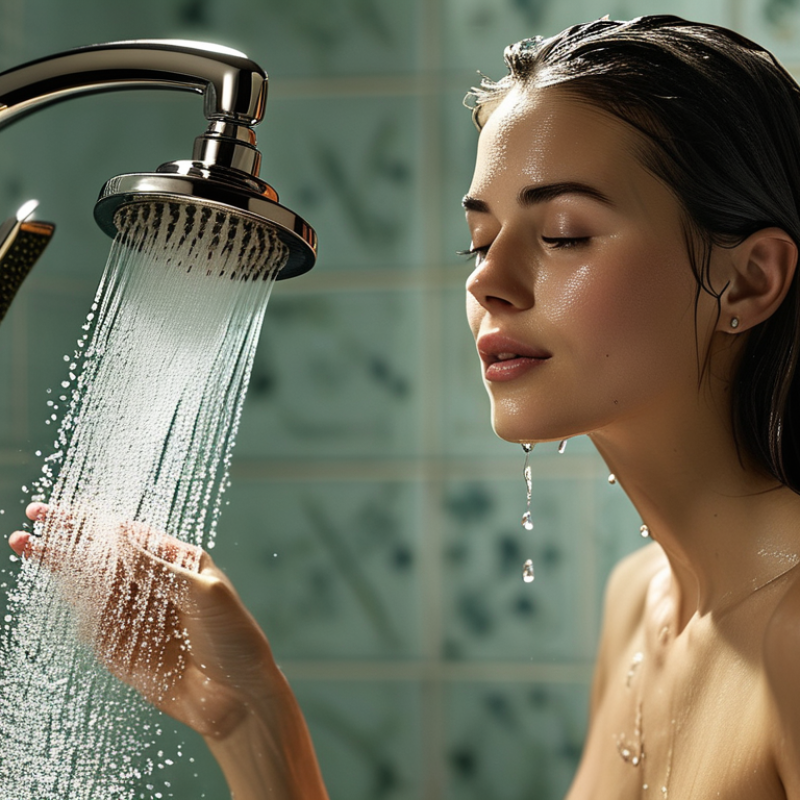
Understanding shower head flow rates is crucial for an enjoyable shower experience. The industry standard for flow rates is typically set at 2.5 gallons per minute (GPM). However, many shower heads can be adjusted to deliver less water. This means that a balance between water conservation and comfort must be maintained.
Various factors play into the efficiency of shower heads. Older models may struggle with lower water pressure, leading to an unsatisfactory flow. On the other hand, newer models often include technologies that enhance performance while reducing water usage. It’s worth noting that some homeowners may find that their pressure varies throughout the day, affecting how well the water flows.
Reflecting on your shower experience could lead to discovering areas for improvement. Should the flow be too weak? It may be time to clean the shower head to remove mineral buildup. This simple task can enhance performance significantly. Remember, understanding the nuances of flow rates can help you make informed decisions for a better shower experience.
Reduced water flow in shower heads can be quite frustrating. A common culprit is mineral buildup. Hard water contains minerals like calcium and magnesium. Over time, these deposits accumulate in the showerhead. You might notice a significant decrease in water pressure. Regular cleaning can help, but sometimes the buildup is too much.
Another issue can be a clogged aerator. This small device mixes air with water. It can get dirty or blocked. When this happens, the flow reduces. Clearing it often restores the water pressure. Changing the aerator may be necessary if cleaning doesn’t work.
Lastly, plumbing issues can play a role. Old pipes can corrode, causing blockages. Even a small leak somewhere in the system can affect flow. It's essential to inspect your plumbing regularly. By understanding these common causes, you can take action to improve water flow in your shower.
Improving the water pressure in your shower head can make a significant difference to your daily routine. According to the Environmental Protection Agency, approximately 70% of household water use occurs in the bathroom, making efficient water flow essential. A great way to start is by cleaning the shower head. Mineral buildup can restrict water flow. Soaking the shower head in vinegar for about an hour can remove calcium and other deposits.
Another effective technique is to adjust the pressure regulator. Many homes have these devices to limit water flow. If it's set too low, it can impact your shower experience. Increasing the pressure setting can enhance water flow without costly renovations. You might want to inspect your plumbing for leaks too. The American Society of Plumbing Engineers states that even minor leaks can lead to decreased water pressure. This suggests that maintaining your plumbing is as critical as upgrading fixtures.
Lastly, consider installing a shower head designed for higher pressure. These fixtures usually have a specific design to optimize water flow. However, choosing the right one requires careful consideration of your home's plumbing system. It’s a balancing act. Increasing water pressure without creating excess strain on your system is essential for long-term reliability and performance.
To improve water flow in your shower head, consider a few effective tools and products. One essential item is a shower head cleaner. Mineral buildup can severely restrict water flow, resulting in a frustrating shower experience. Using a descaling solution or a DIY vinegar soak can make a significant difference. This simple solution can save you time and increase water pressure without professional help.
Another option is a flow rate restrictor. While many shower heads come with these built-in, removing them can enhance your water flow. Just be cautious, as removing restrictors may lead to higher water bills. If you prefer not to delve into such adjustments, investing in a high-efficiency shower head can also help. Look for models designed with advanced aeration technology, providing a strong flow while conserving water.
You might find that your existing plumbing plays a role. Older pipes can reduce water pressure substantially. Regularly inspect your plumbing for leaks or corrosion. This is not always a quick fix but addressing these issues can lead to a noticeable improvement. Reflect on the solutions that best suit your needs and remember that the right approach enhances both enjoyment and sustainability.
Regular maintenance is crucial for optimal shower performance. Over time, mineral deposits can build up inside the shower head, significantly reducing water flow. A study by the American Water Works Association indicates that 37% of households experience reduced water pressure due to these blockages. Regular cleaning can improve the flow and enhance your shower experience.
Cleaning your shower head monthly can prevent these issues. A simple solution involves soaking the shower head in a vinegar-water mixture overnight. This method effectively dissolves mineral deposits. Studies have shown that vinegar can remove up to 99% of calcium buildup. Ensure to remove it and scrub with an old toothbrush for thorough cleaning.
Inspecting the shower head periodically is vital as well. Look for cracks or corrosion, which may worsen over time. Even a small leak can lead to a 10% increase in your water bill. Many people overlook these signs, believing small issues are manageable. However, neglecting repairs can lead to more significant problems, such as poor water efficiency and higher utility costs. Regularly monitoring the health of your shower head is essential for maintaining an efficient and pleasurable shower experience.
| Maintenance Practice | Frequency | Description | Effect on Water Flow |
|---|---|---|---|
| Clean Shower Head | Monthly | Remove mineral deposits and buildup from the nozzles. | Restores optimal water flow. |
| Check Water Pressure | Every 6 months | Ensure water pressure is within the recommended range. | Inadequate pressure can reduce flow. |
| Inspect for Leaks | Quarterly | Check for leaks in the showerhead and pipes. | Fixing leaks maintains desired flow rate. |
| Change Showerhead | Every 5 years | Replace with a newer, efficient model. | Modern designs often offer better flow. |
| Use Vinegar Soak | Annually | Soak showerhead in vinegar to dissolve mineral buildup. | Improves water pressure and flow. |
: The industry standard is typically 2.5 gallons per minute (GPM).
Yes, many shower heads can be adjusted to deliver less water.
Weak flow may result from mineral buildup or low water pressure at different times.
Regular cleaning can significantly enhance performance by removing mineral deposits.
Cleaning monthly is recommended to prevent mineral buildup and maintain flow.
Soaking in a vinegar-water mixture overnight can dissolve mineral deposits effectively.
Regular inspections help identify cracks or corrosion, preventing bigger problems later.
Small leaks can increase your water bill and lead to more significant issues.
Water pressure may fluctuate, affecting flow consistency in different household routines.
Neglecting maintenance can lead to poor efficiency and higher utility costs over time.
To learn how to increase water flow in shower head, it’s essential to start by understanding the standard flow rates and measurements used in the industry. Reduced water flow in shower heads can arise from various common issues, including mineral buildup, clogs, and low water pressure from the supply. To address these challenges, several effective techniques can be employed, such as cleaning the shower head, adjusting the flow restrictor, and checking for leaks.
Additionally, utilizing the right tools and products can significantly enhance water flow, while regular maintenance practices—like descaling and routine cleaning—help ensure optimal shower performance. By following these guidelines, homeowners can effectively restore and improve the water flow in their shower heads, leading to a more satisfying and refreshing shower experience.

Flow Faucet