How to Increase Water Flow in Shower Head Easily?

Time:2026-05-13 Author:Oliver
0%

Showerheads are essential in our daily routines. However, many homeowners aren’t aware of how to increase water flow in shower head systems. A report by the Environmental Protection Agency indicates that typical showerheads use 2.5 gallons per minute (gpm). Yet, many showers lack adequate pressure, leading to an unsatisfactory experience.

Factors like mineral buildup and flow restrictors can significantly impact water flow. Surprisingly, 20-50% of users report low pressure as a common issue. Basic maintenance can lead to improved water flow. For instance, cleaning showerheads monthly can remove buildup and restore pressure. Increasing water flow not only enhances the shower experience but can also contribute to water conservation.

Water-efficient fixtures are gaining popularity, but sometimes, users feel they sacrifice performance for efficiency. The balance between enjoyable showers and saving water can be tricky. Exploring creative solutions to enhance flow is crucial. Remember, learning how to increase water flow in shower head systems can ensure both satisfaction and efficiency.
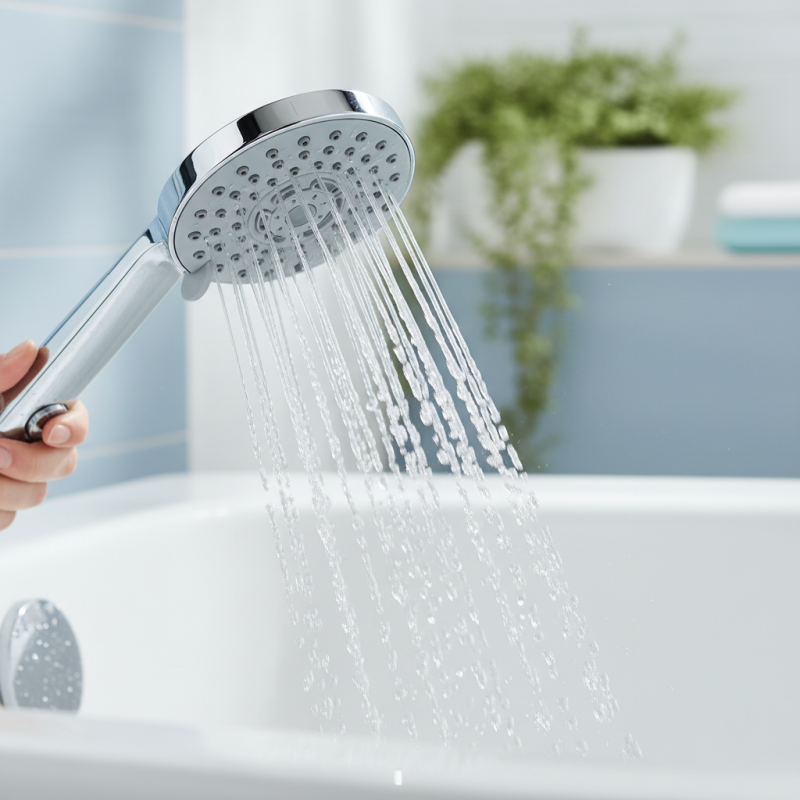
How to Increase Water Flow in Shower Head Easily?

Understanding the Factors That Affect Water Flow in Shower Heads

When it comes to shower heads, several factors influence water flow. The most significant factor is the design of the shower head. A study by the Water Research Foundation revealed that different types of shower heads can affect water flow rates significantly. Standard shower heads may have a flow rate of 2.5 gallons per minute (GPM), while low-flow models typically range from 1.5 to 2.0 GPM.

Another essential factor is the condition of the plumbing system. Mineral buildup in pipes can restrict flow. Research indicates that nearly 30% of homes face issues related to sediment buildup over time. This blockage can create pressure drops, leading to an unsatisfactory shower experience. Regular maintenance can prevent this problem.

Water pressure also plays a crucial role. Ideal household pressure averages between 40 to 60 psi. However, if your home’s pressure falls below this range, it can hinder water flow. This concern is often overlooked, but understanding your water pressure can help in optimizing your shower system. A simple pressure gauge can help homeowners assess their situation effectively.

Common Causes of Low Water Pressure in Showers

Low water pressure in showers is a common issue many homeowners face. It can stem from several causes. One major reason is the accumulation of mineral deposits. Hard water leaves calcium and lime build-up on the showerhead. This impedes the flow, creating a frustrating experience. Cleaning your showerhead regularly can help improve water flow.

Another factor is old or corroded pipes. Over time, pipes can narrow due to rust or wear. This decreases water delivery to your showerhead. It’s important to inspect plumbing connections. If pipes are too damaged, replacement might be necessary. Low water pressure can also arise from the shower valve. If the valve doesn’t fully open, flow reduces significantly.

Sometimes, the pressure issue may not be within your control. The overall water supply may be inadequate, especially in peak times. This requires patience and possibly discussing with neighbors or local water authorities. Engaging professionals can provide insights, too. It’s not uncommon for homeowners to overlook these elements. Taking a proactive approach often leads to better shower experiences.

Simple DIY Techniques to Increase Shower Head Water Flow

Improving water flow in your shower head can significantly enhance your bathing experience. Many people face low water pressure, leading to unsatisfying showers. According to the WaterSense program, low flow showerheads can save about 2.5 gallons of water per minute. However, even efficient fixtures can become clogged or lose their effectiveness over time.

One simple DIY technique is to clean your showerhead regularly. Mineral buildup from hard water can block the flow. You can soak the showerhead in a solution of vinegar and water for a few hours. This can restore optimal flow. In a 2020 study by the American Water Works Association, it was found that cleaning showerheads could increase flow rates by 30% in some cases.

Another method involves checking your home’s water pressure. Low pressure can stem from issues in your plumbing. Using a pressure gauge, you can measure your water pressure. The ideal range is typically between 40 to 60 psi. If your pressure is too low, you may need to adjust your pressure-regulating valve. However, handling plumbing can often lead to unexpected issues if not done properly. Ensure you have the right tools and knowledge before attempting this technique.

Tips for Maintaining Shower Heads for Optimal Performance

Maintaining shower heads is crucial for optimal performance. Regular cleaning can extend their lifespan significantly. Reports indicate that up to 75% of shower heads can become clogged with mineral deposits or mold. These buildups not only affect water flow but also may cause a reduction in water pressure.

One effective maintenance tip is to soak your shower head in a vinegar solution. This method can dissolve mineral deposits effectively. Just a few hours of soaking can lead to a noticeable increase in water flow. Cleaning should be done at least once every few months. Professional plumbers often recommend this technique for improved efficiency.

Inspecting the shower head regularly is equally important. Check for any signs of leaks or unusual noises during use. Such issues could signal more significant problems that often go unnoticed. Addressing them promptly can save homeowners from unexpected repairs later. Keeping a log of maintenance activities might help track issues. It is a simple action that ensures good shower head performance over time.

How to Increase Water Flow in Shower Head Easily? - Tips for Maintaining Shower Heads for Optimal Performance

Tip Description Frequency of Maintenance Expected Improvement
Clean the Shower Head Remove mineral deposits using vinegar soak or descaling solution. Once every 3 months Increased water flow by up to 50%
Check Water Pressure Make sure the home’s water pressure is adequate for optimal performance. Annually Enhanced overall performance
Inspect Hoses and Connection Look for leaks or kinks in the hose that can disrupt flow. Quarterly Consistent water flow
Adjust Showerhead Settings Select a setting that provides optimal flow based on needs. As needed Immediate improvement in water concentration
Replace Shower Head If shower head is old or malfunctioning, consider replacing it with a high-flow model. Every 5 years Significant increase in water flow

When to Consider Upgrading Your Shower Head for Better Flow

Upgrading your shower head can greatly enhance your shower experience. If you notice inconsistent water pressure or a weak spray, it might be time to consider a new model. A better shower head can provide an invigorating stream of water, making your daily routine more enjoyable. Be open to exploring different designs and types. Not all options are suitable for every home.

When contemplating an upgrade, evaluate your current shower head's performance. If it feels like you are standing under a trickle instead of a refreshing waterfall, the change may benefit you. Additionally, consider the design of your bathroom. A stylish shower head can enhance your space's aesthetic. This could also add value to your home.

Tips: Focus on water-saving models that maintain high pressure. Research flow rate specifications before purchasing. Consider adjustable settings for versatility. Make sure the new head fits your existing plumbing to avoid complications. Lastly, don't rush the decision. Sometimes, the right choice takes time and research.

FAQS

: What causes low water pressure in showers?

: Low water pressure can result from mineral deposits, old pipes, and faulty shower valves.

How do mineral deposits affect water flow?

Mineral accumulation from hard water can clog the showerhead and reduce flow significantly.

What can I do to improve my showerhead's water flow?

Regularly clean your showerhead with vinegar and water to reduce mineral buildup.

How often should I clean my showerhead?

Cleaning it every few months can help maintain good water flow.

How can I check my home’s water pressure?

Use a pressure gauge to measure water pressure, which should be between 40 and 60 psi.

What should I do if my water pressure is too low?

Consider adjusting your pressure-regulating valve or consult a plumbing professional.

Can low water supply affect my shower?

Yes, inadequate water supply, especially during peak times, may impact your shower pressure.

What if my pipes are corroded?

Inspect for damage; if pipes are severely rusted, replacement may be necessary.

Are low-flow showerheads effective?

Yes, they can save water and still deliver satisfactory performance if maintained properly.

Is DIY plumbing safe for everyone?

Be cautious; DIY plumbing can lead to unexpected problems if not done with the right skills.

Conclusion

To learn how to increase water flow in shower head, it is essential to first understand the various factors that affect water flow, such as plumbing system design and water pressure. Common issues leading to low water pressure in showers include clogged aerators, mineral buildup, or even old fixtures. By employing simple DIY techniques, like cleaning or replacing components and adjusting flow restrictors, you can significantly improve your shower's performance.

In addition to these adjustments, maintaining your shower head properly is crucial for optimal performance. Regular cleaning and inspection can prevent buildup that hampers flow. If your efforts to increase water flow are not satisfactory, it may be time to consider upgrading your shower head to a more efficient model designed for better performance. This holistic approach ensures a refreshing shower experience with improved water flow.

Oliver

Oliver

Oliver is a seasoned marketing professional with a wealth of expertise in driving brand awareness and engagement. With a deep understanding of our company's product offerings, he consistently delivers high-quality content that enriches our professional blog. His insights not only shed light on......