If you've ever found yourself wondering, "why is my kitchen faucet pressure so low," you're not alone. Many homeowners experience this frustrating issue. Low water pressure can hinder daily tasks like washing dishes or filling pots. It can turn a simple chore into a time-consuming dilemma.
Several factors can contribute to the low pressure you feel. Sediment buildup in aerators or supply lines may restrict water flow. A faulty faucet cartridge can also result in diminished pressure. Understanding these issues can empower you to identify potential solutions.
Consulting with a professional can provide deeper insights into your faucet's condition. Regular maintenance can help prevent low pressure problems from returning. Identifying the root cause may require some reflection, but the outcomes are worth it. An efficient kitchen faucet works wonders for your daily routine.
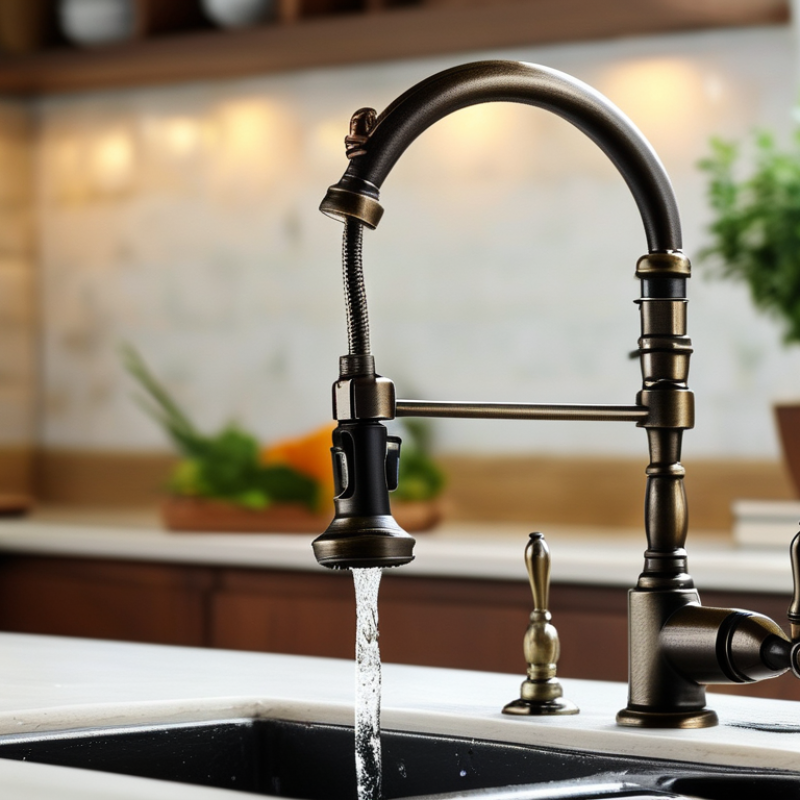
Low water pressure in kitchen faucets can be frustrating. Several common causes could lead to this issue. One potential reason is the buildup of sediment in the aerator. It’s a small screen attached to the faucet spout. Over time, minerals from hard water accumulate, restricting flow. Cleaning or replacing the aerator may restore proper pressure.
Another frequent culprit is pipe issues. Old pipes can corrode or become clogged. This is especially true in older homes. If you notice low pressure in multiple faucets, the problem might lie in your plumbing system. Sometimes, leaks can also lead to reduced pressure. Inspecting for leaks is crucial. Even small leaks can affect overall performance.
Water valves might also contribute. If they aren’t fully open, the pressure drops. Checking the main shut-off valve and any valves under the sink is wise. It's not uncommon to overlook these details. An experienced plumber can help assess these problems if DIY solutions fail. Identifying the root cause can save time and money in the long run.
Low water pressure in your kitchen faucet can be frustrating. Various factors can contribute to this issue. Understand these common causes to troubleshoot effectively.
First, check for clogs.
Mineral deposits can build up over time, especially in areas with hard water. According to the Water Quality Association, about 85% of U.S. households have hard water. Remove the aerator at the end of your faucet. Rinse it thoroughly and soak it in vinegar to dissolve any buildup. This simple step can often restore flow.
Another possibility is a problem with the supply line. Ensure the shut-off valves under your sink are fully open. Inspect the hoses for kinks or damage. If you find a kink, gently straighten it. For damaged hoses, consider replacing them.
Tips: If low pressure persists, check the main supply. Water usage elsewhere in the home might be affecting pressure. You can install a pressure gauge on your faucet to get precise readings.
Lastly, if all else fails, call a professional plumber. There may be deeper issues within the plumbing system. Don't hesitate to ask for expert help when needed. Addressing low water pressure can lead to a more functional kitchen.
Low water pressure in your kitchen faucet can be frustrating. One common cause is a clogged aerator or faucet screen. These components can collect debris, dirt, and mineral deposits over time. According to the American Water Works Association, nearly 20% of water systems experience some form of sediment buildup. This statistic highlights how common these issues can be.
To inspect your aerator, start by unscrewing it from the faucet. Most homeowners can do this with their hands or a pair of pliers. Be cautious—too much force can damage the aerator. Once removed, rinse it under running water. Use an old toothbrush to scrub off any buildup. A vinegar soak can effectively dissolve mineral deposits. This simple process often restores normal water flow.
Faucet screens are similar. Located inside the faucet body, they can also clog. If your water pressure remains low after cleaning the aerator, inspect the faucet screen next. Although these tasks seem straightforward, many homeowners overlook them. Regular maintenance can prevent bigger headaches later. Keeping your kitchen faucet in optimal shape enhances both function and efficiency.
Low water pressure in kitchen faucets can often stem from various plumbing issues. A common culprit is mineral buildup in the aerator. This component allows air into the water flow, but over time, it can become obstructed. According to industry reports, nearly 80% of plumbing professionals encounter this problem. Regular maintenance, such as cleaning the aerator, can significantly improve water pressure.
Another potential reason for low water pressure is issues within the plumbing system itself. Leaks in pipes can lead to decreased pressure. The Environmental Protection Agency (EPA) estimates that leaks waste approximately 1 trillion gallons of water annually in the U.S. Checking for hidden leaks can be a critical step. Sometimes, old pipes may corrode, causing additional pressure issues. Considering plumbing upgrades could be beneficial for long-term solutions.
Pressure-reducing valves (PRVs) are also worth examining if water pressure is low. These devices regulate the pressure entering your home. However, if they malfunction, they can create pressure drops. Inspecting and adjusting PRVs is often overlooked but can lead to noticeable improvements. Remember, addressing these issues requires time and may need proactive planning.
| Issue | Description | Solution |
|---|---|---|
| Clogged Aerator | Mineral buildup or debris can block the aerator, reducing water flow. | Remove and clean the aerator or replace it. |
| Faulty Faucet | Internal components may wear out and affect water pressure. | Consider repairing or replacing the faucet. |
| Pipe Issues | Corrosion or leaks in pipes can lower water pressure. | Inspect and repair or replace damaged pipes. |
| Water Supply Problems | Issues with the municipal water supply can result in low pressure. | Contact the water supplier for more information. |
| Pressure Regulator Issues | A malfunctioning pressure regulator can affect water flow. | Adjust or replace the pressure regulator. |
Low water pressure in kitchen faucets can be a frustrating experience. In many cases, it’s manageable with some troubleshooting. However, knowing when to call a professional is crucial. Experts suggest that if you’ve tried common fixes without success, it might be time for a deeper inspection. Issues like corroded pipes or complex plumbing problems often require professional expertise.
According to a report by the National Association of Home Builders, over 20% of homeowners face plumbing issues annually. This highlights the importance of proactive maintenance. If water pressure drops unexpectedly, or if there’s a noticeable difference in pressure, these could be signs of more serious problems like leaks or blockages.
Tips: Regularly clean faucet aerators to prevent buildup. Flushing your water system can also help. If these simple measures don’t resolve the issue, don’t hesitate to seek help. A good plumber can diagnose problems and recommend solutions that ensure your kitchen faucet functions well.
In some cases, homeowners overlook hidden issues like underlying leaks. Ignoring these can lead to water damage and costly repairs. Trusting a qualified professional not only saves time but also ensures your plumbing system remains efficient and damage-free.
: Common causes include clogged aerators, faucet screens, and plumbing issues like leaks.
Unscrew it from the faucet, rinse under running water, and scrub with an old toothbrush.
Inspect the faucet screen, as it may also be clogged with debris or mineral buildup.
Regular maintenance is key. Cleaning every few months can prevent water pressure issues.
Leaks, corroded pipes, and malfunctioning pressure-reducing valves can all affect pressure.
Look for damp spots, listen for dripping sounds, or monitor your water meter for unusual changes.
It regulates water pressure entering your home and can cause drops if malfunctioning.
Yes, especially if your pipes are old or corroded. Upgrades can improve water pressure over time.
Many do not realize the significance of regular cleaning and plumbing inspections.
Ignoring it may lead to bigger plumbing issues and higher repair costs in the future.
If you're wondering "why is my kitchen faucet pressure so low," you may find that several common issues could be the culprit. Low water pressure in kitchen faucets can result from clogged aerators or faucet screens, plumbing blockages, or even issues with the water supply. To address these concerns, it's important to follow a systematic approach that includes troubleshooting potential causes and inspecting the faucet components.
Start by checking the aerators and screens for debris, as cleaning them can often restore normal water flow. If the problem persists, evaluating the plumbing behind the faucet for leaks or blockages may be necessary. In cases where these steps do not resolve the issue, it may be time to consult a professional to ensure that there are no underlying plumbing problems affecting water pressure.

Flow Faucet