How to Measure Faucet Hole Spacing for Your Bathroom Sink?

Time:2026-08-21 Author:Isabella
0%

Knowing how to measure faucet hole spacing is essential for proper installation. This process ensures that your new faucet fits seamlessly with your bathroom sink. Accurate measurements can prevent frustration and costly mistakes. You want a secure and stylish fit.

To start, gather your tools. A measuring tape and a level can be handy. Many homeowners overlook the importance of precision in this step. Small errors can lead to poor alignment or leaks. Take your time and double-check your measurements to avoid any regrets.

Consider your sink's design. Different sinks require different spacing. If you have a three-hole configuration, the distance between the outer holes is crucial. Remember, each sink is unique, and understanding the specifics of "how to measure faucet hole spacing" can make all the difference. Don't rush this part; it’s one of the foundations of a successful faucet installation.
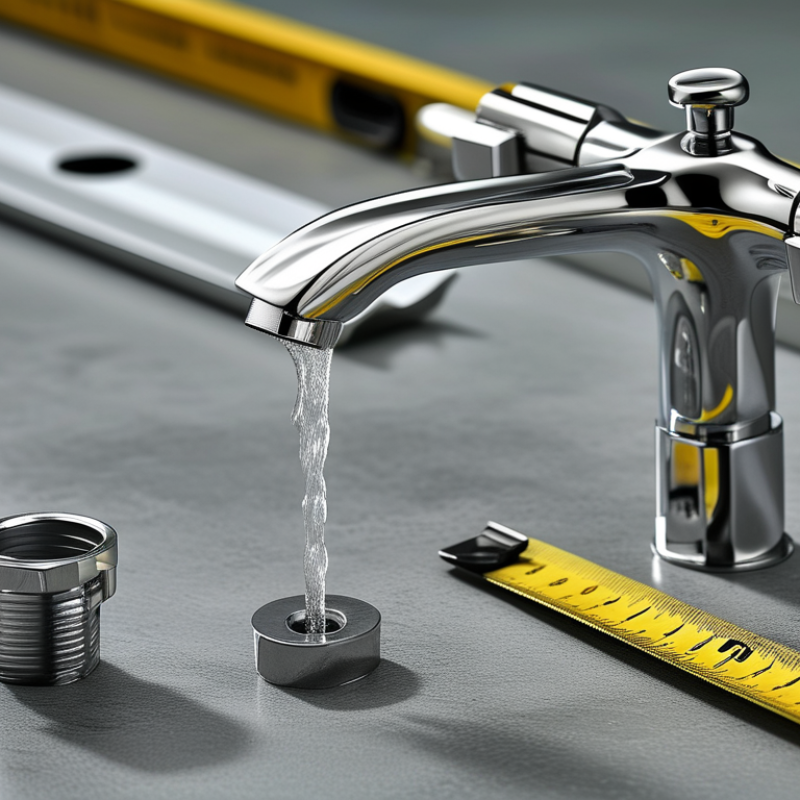
How to Measure Faucet Hole Spacing for Your Bathroom Sink?

Understanding Faucet Hole Spacing in Bathroom Sinks

Understanding faucet hole spacing is essential for any bathroom sink installation or renovation. Faucet hole spacing refers to the distance between the centers of the faucet holes. Typically, sinks may have 4-inch or 8-inch spacing. Knowing these measurements helps homeowners choose the right faucet and ensures a proper fit.

When measuring, always use a tape measure for accuracy. Start from the center of one hole to the center of the other. It's easy to overlook small discrepancies. Consider checking the manufacturer's specifications for further guidance. Measure multiple times to confirm your findings. This step may seem tedious, but it could save you time and effort later.

Maintaining the right spacing can affect not just aesthetics, but functionality as well. A faucet that doesn't align well with the sink can lead to water splashing or limited use. Many people might install a faucet before confirming the measurements, leading to unnecessary complications. Ensure your faucet complements your sink's hole spacing to achieve a seamless look and optimal performance.

Faucet Hole Spacing Measurements

This chart displays the common faucet hole spacing measurements used for bathroom sinks. Understanding these measurements can help you select the right faucet for your installation.

Tools Needed for Measuring Faucet Hole Spacing

Measuring faucet hole spacing accurately is crucial for a successful bathroom sink installation. To achieve precision, a few essential tools can enhance your measuring process. A tape measure is indispensable. It allows you to take precise measurements across different distances. Additionally, a level ensures the faucet is installed evenly, preventing water leaks.

Another useful tool is a ruler or a straightedge, which helps in marking exact locations for drilling. According to industry data, about 75% of sink installations experience issues due to improper measurements. A simple mistake in measurement can lead to costly repairs.

A notepad or a digital device for recording measurements keeps everything organized. Using a digital caliper can also improve accuracy when measuring the spacing between faucet holes. Industry experts suggest that taking multiple measurements can mitigate errors.

Consider comparing these measurements against manufacturer specifications to ensure compatibility. Remember, it’s essential to double-check before making any installations.

Step-by-Step Guide to Measure Faucet Hole Spacing

Measuring faucet hole spacing for your bathroom sink is crucial for a proper fit when installing a new faucet. To begin, you’ll need a reliable measuring tape and a notepad. Start by identifying the centers of the existing faucet holes. This step is often overlooked, but it’s necessary for accuracy.

Next, hold your measuring tape horizontally across the faucet holes. Record the distance between the centers. This number usually varies between 4 to 16 inches, depending on your sink configuration. If you have multiple holes, measure from the center of one to the center of another, ensuring that your measurements are precise. Pay attention to any irregularities, like a sink that isn’t perfectly symmetrical; these details can affect your installation process.

After gathering your measurements, double-check everything. Mistakes at this stage can lead to poor installation and frustration later. Consider drawing a simple diagram that includes the measurements. This visual can help you when shopping for your new faucet. Remember, even experienced DIYers make errors in this phase. Knowledge and careful attention to detail will lead to a successful installation.

Common Faucet Hole Spacing Sizes and Variations

Faucet hole spacing is crucial for installation. Knowing the common sizes helps ensure a proper fit. The most typical spacing dimensions are 4 inches, 8 inches, and 10 inches. A report by the American Society of Plumbing Engineers noted that 4-inch centerset faucets are popular for smaller sinks. This size accommodates compact designs, making them perfect for limited spaces.

For larger sinks, an 8-inch spread is often preferred. This configuration allows for a more expansive look and can support various faucet styles. According to a survey by the National Kitchen and Bath Association, 75% of bathroom remodels incorporate 8-inch spread faucets due to their versatility. However, some homeowners may overlook the importance of measuring accurately. The misalignment can lead to difficult installation or aesthetics issues.

Lastly, unique custom sizes can exist, especially in vintage or luxury settings. Customization allows homeowners to express individuality. Still, it requires precise measurements to avoid errors during installation. Making a mistake can lead to costly adjustments or unsatisfactory results. Always remember to double-check measurements before purchasing a faucet. This step can save you time and resources in the long run.

How to Measure Faucet Hole Spacing for Your Bathroom Sink? - Common Faucet Hole Spacing Sizes and Variations

Faucet Type Hole Spacing Common Applications
Single Handle 1 Hole Vessel Sinks, Small Vanity Sinks
Centerset 4 inches (102 mm) Standard Bathroom Sinks
Widespread 8 inches (203 mm) Larger Bathroom Sinks, Custom Vanities
Wall-Mounted Varies Pedestal Sinks, Unique Designs
Vessel Faucets 1 Hole Vessel Sinks

Tips for Selecting the Right Faucet for Your Sink's Spacing

Choosing the right faucet to fit your bathroom sink's spacing requires careful consideration. The distance between holes can significantly affect your options. Measure the distance from the center of one hole to another. This measurement will guide you in selecting a compatible faucet. Missteps in measuring can lead to disappointing purchases and mismatched aesthetics.

Consider common spacing options, like 4 inches or 8 inches. Standard faucets are typically designed for these spacings. However, some sinks may have unique configurations. Custom sinks or older models might require specific faucets. Always check your sink’s documentation if available. If none exists, a simple tape measurement can help narrow down your choices.

Do not overlook the style and finish of the faucet. They should complement your sink and overall bathroom design. A sleek, modern look may clash with vintage accessories. It’s easy to lose focus on design when concerned with functionality. Thus, balance is key to creating a cohesive space. Research the faucet’s installation requirements as well. Some may demand more plumbing adjustments than anticipated.

FAQS

: What is faucet hole spacing?

: Faucet hole spacing is the distance between the centers of the faucet holes on a sink.

Why is measuring faucet hole spacing important?

It ensures the right faucet fits properly and functions well, preventing future complications.

How do I measure faucet hole spacing?

Use a tape measure to measure from center to center of the faucet holes.

What tools do I need for measuring?

A tape measure, level, ruler, and a notepad or digital device for recording are essential.

How should I check my measurements?

Measure multiple times and compare with manufacturer's specifications for accuracy.

Can incorrect measurements cause issues?

Yes, improper measurements can lead to costly repairs and poor faucet performance.

What if my sink is not symmetrical?

Pay extra attention to irregularities, as they can affect your installation.

Should I document my measurements?

Yes, recording your measurements helps keep everything organized and reduces errors.

What can happen if I rush the measuring process?

Rushing may lead to mistakes, resulting in frustration and improper installation later on.

Are professional measurements better than DIY?

Professionals can be more precise, but paying attention to details can help DIYers succeed too.

Conclusion

When considering how to measure faucet hole spacing for your bathroom sink, it’s essential to understand the basics of faucet hole configurations. The article outlines the necessary tools required for accurate measurement, such as a tape measure and a level, ensuring that the process is straightforward. A step-by-step guide is provided to help you effectively measure the distance between the holes, which is critical for selecting the right faucet.

Additionally, the article discusses the common sizes and variations of faucet hole spacings available on the market, making it easier for homeowners to find compatible fixtures. Finally, tips are given for choosing the right faucet that fits perfectly with your sink's spacing, ensuring a seamless installation and optimal functionality. Overall, knowing how to measure faucet hole spacing is crucial for achieving an aesthetically pleasing and efficient bathroom setup.

Isabella

Isabella

Isabella is a dedicated marketing professional with a sharp focus on driving brand growth and engagement through strategic content creation. With an extensive background in digital marketing, she combines her passion for storytelling with her keen understanding of industry trends to deliver......