Why Is My New Faucet Sputtering Air 5 Common Causes?

Time:2026-06-01 Author:Oliver
0%

If you recently installed a new faucet, you might be wondering, "why is my new faucet sputtering air?" Encountering sputtering can be frustrating. It often signifies issues that may need your attention. Knowing the common causes can help you address the problem effectively.

Many factors can contribute to sputtering faucets. For example, air trapped in the water lines can cause brief bursts of air. Another possible cause involves improper installation. If the faucet isn’t securely connected, it may allow air to enter. Additionally, debris in your plumbing lines can block water flow, leading to sputtering.

Understanding these potential issues is essential. It saves you time and money. What if a simple adjustment solves the problem? Your faucet should be dependable. Sputtering may seem minor but can indicate larger plumbing concerns. Identifying the root cause will ensure your faucet functions smoothly. Don’t overlook this small but significant detail in your home.
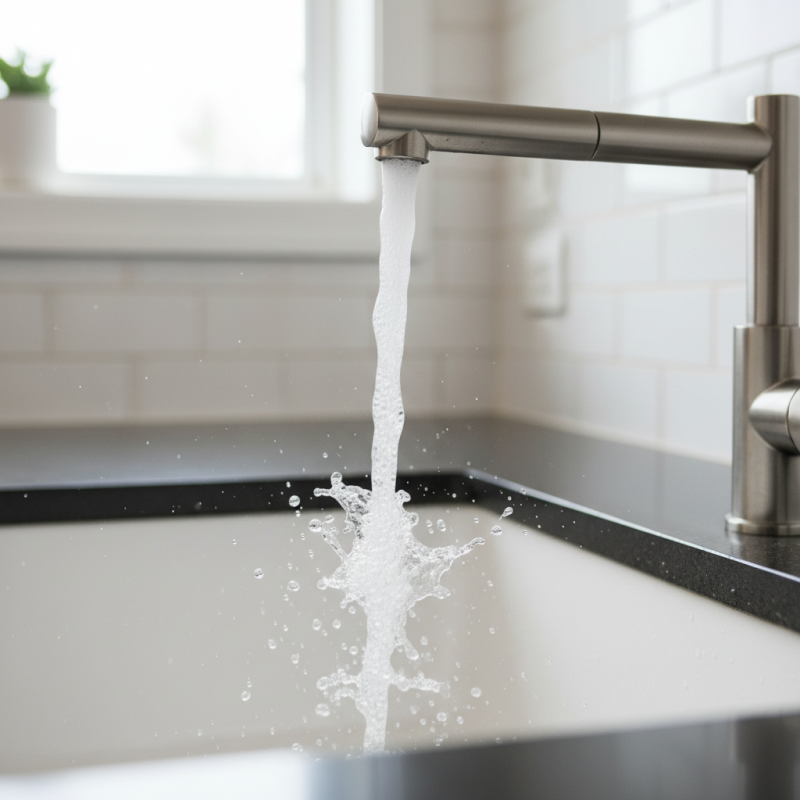
Why Is My New Faucet Sputtering Air 5 Common Causes?

Common Causes of Air Sputtering in New Faucets

Experiencing sputtering air from a new faucet can be frustrating. Understanding the common causes can help you address the issue quickly. Often, air trapped in the lines is the main culprit. This issue is frequent after installation. As water moves through the pipes, it can carry air bubbles, causing sputtering.

Another potential cause is a partially closed valve. Check the shut-off valves under your sink. If they are not fully open, they can restrict water flow and introduce air into the tap. Additionally, sediment buildup in the faucet aerator can also lead to inconsistent water flow. Regular cleaning of the aerator is essential.

Tips for maintaining your faucet include periodically checking valve positions. Make sure they are fully open. Consider flushing your plumbing by running the faucet for several minutes. This can help clear air pockets. If sputtering persists, it might indicate a more significant issue, like a leak or pipe damage. Regular inspection can prevent these problems from escalating.

Understanding the Role of Air Traps in Plumbing Systems

Air traps play a crucial role in plumbing systems. They prevent air from entering the water supply, causing issues like sputtering faucets. When air enters your pipes, it can lead to uneven water pressure. This can be particularly noticeable when using a new faucet. The sound of air mixed with water is more than just annoying; it indicates potential plumbing problems.

Understanding air traps and their function is essential for homeowners. Often, these traps are not easily accessible, making it hard to identify issues. A simple blockage can create air pockets. This can lead to sputtering. You may hear strange noises, or see erratic water flow. Identifying these symptoms early can save you time and money on repairs.

If your faucet sputters, check for air traps and any possible blockages. Sometimes, the solution can be as simple as bleeding the system or fixing leaks. It’s a reminder that plumbing requires regular maintenance. Even new fixtures can develop issues. Don't ignore the warning signs; they often lead to larger problems.

Common Causes of Faucet Sputtering

Identifying Loose Connections in Faucet Installation

When installing a new faucet, loose connections are a common issue that can lead to sputtering air. This problem often arises from improper fittings during installation. When connections aren't tightened correctly, air can get trapped in the plumbing system. You may hear gurgling sounds or see irregular water flow. Both issues indicate that something isn't quite right.

To identify loose connections, start by examining the fittings under the sink. Look for any hoses or screws that may be loose. Make sure all connections are secure. If you notice any dripping, that’s a clear sign that connection is weak. Tightening the fittings may resolve both air sputtering and water leaks. Sometimes, you might find that not all parts fit well together, which can lead to ongoing problems.

Be patient while troubleshooting, as finding the exact cause may require several checks. If tightening the connections doesn’t help, consider seeking advice from a professional. They can provide insights based on experience. A simple oversight during installation can lead to bigger headaches down the line. Addressing these issues early can save you from dealing with more significant plumbing troubles in the future.

Effects of Water Supply Issues on Faucet Performance

When a faucet sputters air, it often indicates issues within the water supply. Various factors can affect faucet performance. Problems like air in the pipes, sediment buildup, or a malfunctioning valve can lead to sputtering. Understanding these causes helps homeowners troubleshoot effectively.

Air in the plumbing system can come from several sources. For instance, changes in water pressure during repairs may introduce air into the pipes. This can disrupt the water flow. Moreover, sediment accumulation from hard water can clog aerators. As a result, water may sputter or flow unevenly. Regular maintenance can help alleviate these issues.

Tips: Regularly check the aerator screen. Cleaning it can improve the faucet's performance. If water pressure fluctuates, consider inspecting your home’s plumbing. A professional assessment can pinpoint hidden issues. Keeping these points in mind can lead to better faucet performance and efficiency.

How to Resolve Air Sputtering Problems in Your Faucet

Air sputtering from your faucet can be frustrating. Understanding the reasons behind this issue is crucial. Several common factors contribute to air being introduced into the water supply. These include issues in the plumbing system, blockages, and water heater problems. If you note a sputtering faucet, it’s important to identify the source of the air leak.

Resolving air sputtering starts by checking faucet aerators. Regular cleaning can enhance water flow and reduce air pockets. According to the American Water Works Association, over 20% of home plumbing systems experience problems due to neglecting basic maintenance. If cleaning doesn’t help, check for leaks in the plumbing lines. Even minor leaks can let air into the system.

Another common cause of air sputtering is a faulty water heater. Sediment build-up can disrupt water flow. Reports show that nearly 60% of households face this issue at some point. Regular maintenance and flushing the heater every six months can prevent sputtering. If problems persist, consider consulting a plumbing professional for a thorough inspection.

FAQS

: What are air traps in plumbing systems?

: Air traps prevent air from entering the water supply, avoiding sputtering faucets.

Why is air in pipes a problem?

Air can disrupt water flow, creating uneven pressure and annoying sounds.

How can I identify air trap issues?

Look for sputtering, strange noises, or erratic water flow from your faucet.

What should I do if my faucet sputters?

Check for air traps and blockages, and consider bleeding the system.

How do loose connections affect faucet performance?

Loose connections can trap air, causing sputtering and irregular water flow.

What signs indicate loose connections during installation?

Look for dripping or gurgling sounds, which suggest weak connections.

How can I fix loose connections under the sink?

Examine fittings and tighten any loose hoses or screws securely.

What causes sediment buildup in faucets?

Hard water can introduce sediment, clogging aerators and disrupting flow.

Why is regular maintenance important?

Maintaining your plumbing can prevent larger issues and save on repairs.

When should I seek professional help?

If tightening connections doesn’t resolve issues, consult a plumbing expert for advice.

Conclusion

If you're wondering, "why is my new faucet sputtering air," there are several common causes that could be at play. Air sputtering in new faucets is often linked to air traps within the plumbing system, which can occur during installation or due to inadequate water supply. Identifying and addressing loose connections during the installation process is crucial, as these can allow air to enter the water lines, leading to inconsistent water flow.

Additionally, water supply issues, such as low pressure or interruptions, can exacerbate the problem. To resolve air sputtering in your faucet, it's essential to check the installation for any loose fittings, ensure the water supply is steady, and consider venting the plumbing system if necessary. By understanding these factors, you can effectively troubleshoot and eliminate the sputtering issue, restoring optimal faucet performance.

Oliver

Oliver

Oliver is a seasoned marketing professional with a wealth of expertise in driving brand awareness and engagement. With a deep understanding of our company's product offerings, he consistently delivers high-quality content that enriches our professional blog. His insights not only shed light on......