Why Does My Time Delay Faucet Stay Open Too Long?

Time:2026-06-13 Author:Liam
0%

Time delay faucets are designed to conserve water by automatically shutting off after a preset duration. However, many users face a frustrating issue: their faucets stay open too long. According to plumbing expert, John Thompson, "A malfunctioning timer is often the culprit behind prolonged water flow." Understanding this problem is crucial for households aiming to reduce water waste and manage utility costs.

When a time delay faucet operates beyond its intended duration, it may indicate a deeper issue. The timer mechanism could be malfunctioning or may require adjustment. Regular maintenance can often solve these problems, yet many people overlook this important step. Disregarding such issues can lead to increased water bills and wasted resources.

Additionally, some users might experience variability in water pressure affecting the performance of their faucets. While these devices are convenient, occasional hiccups can lead to an unreliable user experience. It’s essential to ask, "Why does my time delay faucet stay open too long?" Identifying the cause can guide users toward an effective solution, ensuring their faucets function as intended and promote water conservation.
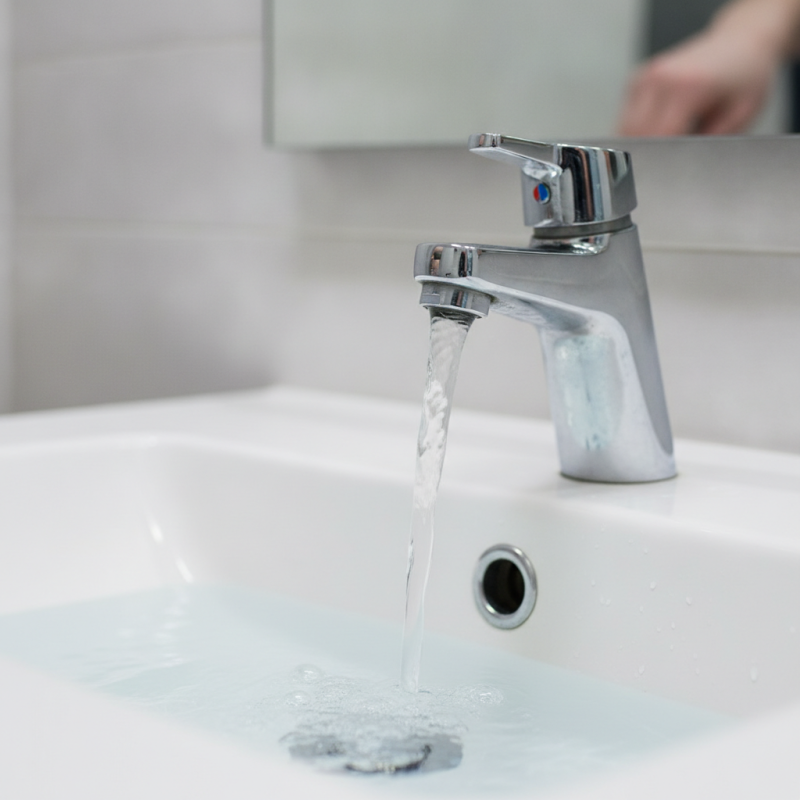
Why Does My Time Delay Faucet Stay Open Too Long?

Understanding Time Delay Faucets and Their Functionality

Time delay faucets are designed to limit water flow duration. These devices benefit many public facilities by conserving water. Reports indicate that they can reduce water consumption by 35% to 45% in high-traffic areas. However, issues such as prolonged water flow can occur, leading to frustration.

One common reason for excessive water flow from a time delay faucet is improper adjustment. These faucets generally come with a factory-set delay, often ranging from 5 to 30 seconds. If a faucet remains on too long, it may indicate a malfunctioning timer. User reports suggest that approximately 15% of time delay systems fail to operate correctly.

Additionally, mineral build-up can interfere with the internal mechanism. Over time, sediments can cause the faucet to misinterpret the required flow time. Regular cleaning can mitigate this issue, yet many users overlook it. Industry studies show that 40% of mechanical failures stem from a lack of maintenance. Addressing these factors ensures the faucet operates efficiently and conservatively.

Common Causes of Extended Water Flow in Time Delay Faucets

Time delay faucets are designed to conserve water by allowing a controlled flow. However, issues can arise, leading to extended water flow that frustrates users. According to a study by the American Water Works Association, faucet malfunctions can waste significant amounts of water, often contributing to higher utility bills.

One common cause of prolonged water flow is a malfunctioning timing mechanism. This mechanism regulates the duration of the water flow. If it becomes faulty, it could allow water to continue running beyond the intended time. A report from the Plumbing Manufacturers International highlights that up to 30% of faucet users experience issues with timing reliability. Incorrectly set time delays can further exacerbate the problem, leading to constant adjustments.

Another factor can be sediment buildup in the faucet's valves. Over time, minerals from hard water accumulate, obstructing the valve's movement. This can prevent the faucet from closing promptly, leaving water running. As reported by the Water Quality Association, hard water affects 85% of U.S. households, indicating a widespread problem. Regular maintenance can help mitigate these issues and promote efficient water usage. Ignoring these warnings often results in wasted resources and increased costs.

Troubleshooting Tips for Faucet Delay Issues

A time delay faucet can be frustrating if it stays open too long. This issue often arises from a few common factors. First, check the timing mechanism. If it’s damaged or set incorrectly, it may not close as intended. This part controls how long the water flows after activation.

Next, consider the flow rate. A higher flow rate can sometimes cause a delay faucet to stay open longer than necessary. Inspect the aerator for any clogs. Clogs can disrupt the water flow and lead to unexpected timing issues. Cleaning or replacing the aerator may solve the problem.

In some cases, the issue could be related to the valve itself. A malfunctioning valve might not shut off properly. If adjusting the timing feature doesn’t help, you may need to replace the valve. Remember, faulty installation can also play a role in these problems. Always consult the manufacturer’s guidelines for proper setup. Ensuring each component works as intended is key to resolving these issues effectively.

Preventive Measures to Avoid Overly Long Water Dispensing

A time delay faucet can be handy, but when it stays open too long, it's frustrating. One common issue is the delay mechanism itself. If it's faulty, it might cause prolonged water flow. Regular maintenance is key. Checking the internal parts helps ensure they function correctly.

Water pressure can also affect the faucet’s timing. High pressure might cause water to flow longer than expected. Adjusting the pressure settings may help. If issues persist, consulting a professional is wise to avoid further complications.

Another preventive measure is to observe usage patterns. Evaluate how often you face this problem. Perhaps you are using the faucet too quickly after it shuts off. Waiting a moment before using it again can extend its lifespan. Always keep an eye on any irregularities, as they may indicate a larger issue at play.

Time Delay Faucet Water Dispensing Duration

This bar chart illustrates the number of complaints related to the duration of water dispensing from time delay faucets. The data indicates that the majority of complaints fall within the 5 to 10 seconds range, highlighting a potential area for improvement in faucet design or settings.

When to Consult a Professional for Faucet Delays

If your time delay faucet stays open too long, it may lead to water wastage and increased bills. The problem lies in the mechanism that controls the flow. Delays can occur due to mineral buildup in the valve or a malfunctioning timer. Proper maintenance can often resolve these issues. Regularly inspect and clean the faucet to extend its lifespan.

However, certain symptoms indicate a need for professional help. According to industry data, 40% of faucet malfunctions are due to improper installation or wear and tear. If you notice unusual noises or leaking, that’s a red flag. These issues can escalate if not addressed promptly. Professionals have specialized tools and knowledge, ensuring a thorough inspection and effective solutions.

Waiting too long can cause more significant problems. Studies show that unresolved faucet delays can waste up to 5 gallons of water per day. It's wise to act before minor issues turn into major repairs. Consulting a professional is not just a safe option; it’s a wise investment for your plumbing system.

FAQS

: What is a time delay faucet?

: A time delay faucet limits how long water flows. It's efficient in public settings.

How much water can these faucets save?

They can reduce water consumption by 35% to 45%. This is especially true in busy areas.

Why might a time delay faucet run too long?

Improper adjustment is a common reason. A malfunctioning timer can also cause this issue.

How often do time delay systems fail?

Reports show that around 15% of systems do not work properly. This can lead to frustration.

What maintenance do time delay faucets require?

Regular cleaning is essential. Mineral build-up can interfere with their function.

How does water pressure affect timing?

High water pressure can extend the flow duration. Adjusting pressure settings may help.

What should I do if problems persist?

Consult a professional for persistent issues. This helps prevent further complications.

How can I extend the faucet's lifespan?

Observe your usage patterns. Waiting a moment before using it again can be beneficial.

What signs indicate a larger problem?

Irregularities in flow may suggest underlying issues. Don’t ignore these signs.

Can poor maintenance lead to failures?

Yes, about 40% of mechanical issues result from lack of maintenance. Regular checks are crucial.

Conclusion

Time delay faucets are designed to dispense water for a set period before automatically shutting off, but sometimes users encounter the issue of prolonged water flow. Understanding why this occurs is crucial; common causes include malfunctioning timers, issues with the sensor, or buildup of debris in the faucet mechanism. If you find yourself asking, "why does my time delay faucet stay open too long," it’s important to troubleshoot the issue by checking battery levels, cleaning the faucet components, or adjusting the timer settings.

To prevent ongoing problems, regular maintenance and cleaning can help ensure that the faucet operates efficiently. If these preventative measures do not resolve the issue, consulting a professional may be necessary to address more complex malfunctions. By addressing these factors, you can enhance the functionality of your time delay faucet and avoid excessive water wastage.

Liam

Liam

Liam is a dedicated marketing professional with a profound expertise in the industry, where he excels at highlighting the unique advantages of our core products. With a keen understanding of market trends and consumer needs, Liam frequently updates our company’s professional blog, providing......