Why Does My Time Delay Faucet Stay Open Too Long?

Time:2026-11-02 Author:Madeline
0%

A time-delay faucet should shut off after a brief, controlled flow. When it keeps running, even a few extra seconds can waste water and leave a sink splashing. The cause is often mechanical, not mysterious: a sticky push button, worn timing cartridge, incorrect adjustment, or debris inside the valve can prevent the faucet from closing on schedule.

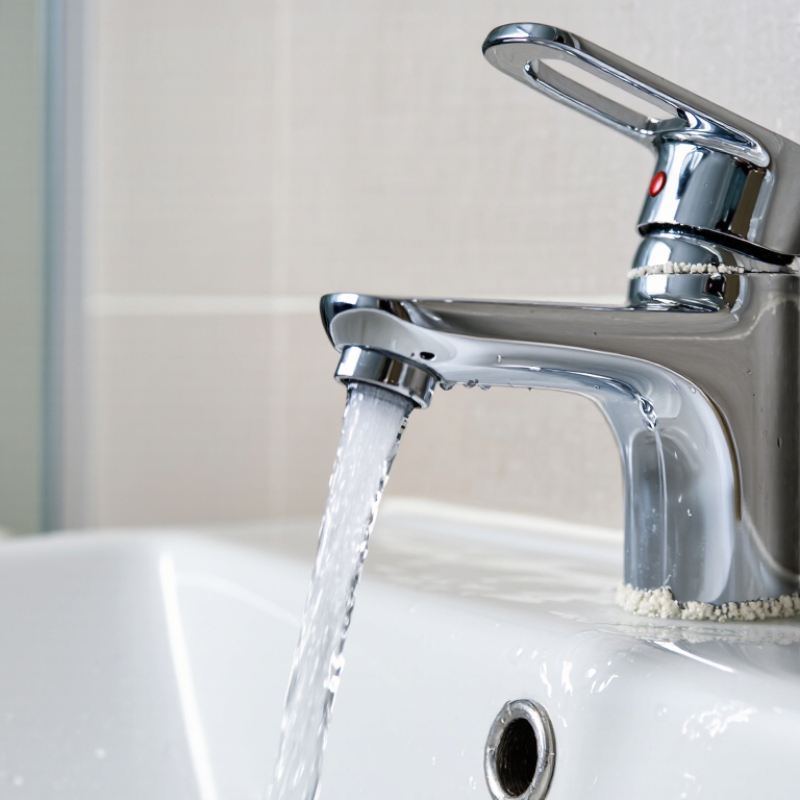
If you are asking, “why does my time delay faucet stay open too long,” start by noticing what happens at the handle. Does the button return slowly? Does the water stop sooner when you press it gently? These details can help narrow down the problem before you remove any parts. Mineral scale may also build up around the cartridge, especially where hard water leaves a chalky ring on the faucet body.

Small parts matter. So does patience. A careful inspection can prevent unnecessary replacement, but the correct repair depends on the faucet model and its service instructions. No verified expert quotation or source was provided, so I won’t invent a named specialist or attribute a statement falsely. For a trustworthy diagnosis, compare the symptoms with the manufacturer’s maintenance guidance or consult a qualified plumbing professional. Even then, reflect on the obvious: a faucet that runs longer than intended may have more than one contributing cause.
Why Does My Time Delay Faucet Stay Open Too Long?

Identify the Faucet’s Specified Shutoff Time and Metering-Valve Type

A time-delay faucet may remain open because its shutoff time is designed into the metering valve. Check the faucet’s specification sheet or service label before adjusting anything. Some valves use a fixed cycle; others allow adjustment. A cycle lasting longer than a nearby faucet is not automatically a fault. Compare it with the stated setting, not just your expectation.

EPA WaterSense at Work (2012) discusses metering faucets that dispense a measured volume, with 0.25 gallons per cycle used as an efficiency benchmark. That figure describes water volume, not a universal shutoff time. A valve dispensing the same volume can run longer when flow is restricted. Mineral scale, grit, low pressure, or a partly blocked aerator may change the cycle. A worn diaphragm or piston can also delay closure. Small parts matter.

Tips: Time three cycles with a stopwatch, starting when the handle is released. Record each result and compare it with the manufacturer’s specified shutoff time. If the faucet has an adjustable metering valve, make small changes and retest. Don’t force the adjustment screw; it may be delicate. If timing varies widely, inspect the aerator and valve for debris, or ask a qualified plumbing professional to check the assembly. A stopwatch is simple, but it can reveal a pattern you might otherwise miss.

Measure the Actual Run Time Against the Manufacturer’s Cycle Specification

When a faucet stays open too long, time it before adjusting anything. Start with a stopwatch. Press the control once, then record the seconds from release until the water stops. Repeat at least three times, using the same water pressure and control technique. A phone video can help if the shutoff point is hard to catch.

Find the faucet’s cycle specification in its installation sheet or service documentation. Compare your measured average with that stated range, not with a remembered “normal” duration. Supply pressure, aerator buildup, and a worn timing cartridge can affect the result. If the document gives a test pressure, match it where practical; otherwise, note that the comparison is approximate. Small differences matter less than a repeatable, clearly longer run.

For example, if the listed cycle is about ten seconds and your faucet runs for twenty, check whether every trial shows the same delay. If timing varies widely, the issue may be inconsistent operation rather than a simple adjustment. Avoid turning screws blindly; some valves require a specific procedure. This comparison is imperfect, but it is more useful than guessing. If results remain outside the specification, consult the documentation or a qualified service technician.

Inspect the Piston, Seal, and Metering Orifice for Wear or Debris

A faucet that runs on after release may have a dragging piston, worn seal, or restricted metering orifice. The piston should move freely through its chamber. Mineral scale, grit, or soap film can slow it. A blocked bleed opening can delay pressure equalization and closure. That is the clue. A longer cycle does not prove the piston is damaged; debris can imitate wear.

With the water shut off, inspect the piston for scoring and the seal for flattening, cracks, or swelling. Flush removable parts with clean water. Do not enlarge the tiny orifice with a wire; its diameter helps control timing. Replace damaged components, then test several cycles. The U.S. EPA’s WaterSense at Work guide describes metering faucets as delivering a preset volume, commonly about 0.25 gallons per cycle—roughly 0.95 liters (EPA, 2012). If timing remains inconsistent, check inlet pressure and follow the faucet’s service instructions. I would not blame the piston alone. Sometimes the fault is upstream.

Check Supply Pressure and Flow Against the Faucet’s Rated Limits

When a time-delay faucet stays open longer than expected, check the water supply before adjusting its timing mechanism. The faucet is designed for a stated pressure and flow range; outside it, the closing cycle may behave differently. Measure static pressure with a gauge, then observe pressure while the faucet runs, since pressure can dip or surge under demand. Compare both readings with the faucet’s installation specifications, not a generic target. Small differences count.

Check flow at the outlet as well. Catch water in a marked container for a set time, then calculate the rate and compare it with the rated flow. Keep the aerator in place for one test; remove and inspect it only if sediment or scale is visible. A partially blocked outlet can confuse the diagnosis, and an upstream restriction may create another pattern. If pressure and flow are within range, the delay cartridge or internal valve may need cleaning or replacement, following the service instructions. I would record the readings before changing anything; it is easy to blame the timer too quickly. If readings fluctuate, repeat the test at different times or ask a qualified plumber to check the supply.

Why Does My Time Delay Faucet Stay Open Too Long? — Check Supply Pressure and Flow Against the Faucet’s Rated Limits

Use the faucet’s installation or product specifications as the reference: acceptable pressure, rated flow, and expected run time vary by model. The readings below are illustrative examples, not universal limits.

Check or test Example reading How it compares with the rating What it may indicate Practical next step
Static supply pressure
(faucet closed)
85 psi Above an example rated maximum of 80 psi Excessive pressure can contribute to noisy operation, leaks, or inconsistent valve behavior. The faucet’s own pressure rating takes priority. Measure pressure with a suitable gauge and have the supply pressure checked or regulated if it exceeds the faucet’s published limit.
Dynamic pressure
(faucet running)
18 psi Below an example rated minimum of 20 psi Low pressure while water is flowing may point to a partly closed stop valve, restricted supply line, or other upstream restriction. Check that the stop valve is fully open; inspect accessible supply lines and strainers for kinks or debris.
Flow rate at the outlet 2.2 gallons per minute Above an example rated flow of 1.5 gallons per minute Higher-than-specified flow can affect the apparent run time and may result from an incorrect, missing, or damaged flow-control component. Collect water for a measured period to estimate flow, then check the outlet aerator or flow control against the faucet instructions.
Timed run after button release 18 seconds Longer than an example expected interval of 5–10 seconds If pressure and flow are within the published limits, a worn, dirty, or incorrectly adjusted timing mechanism may be a more likely cause. Repeat the test several times; clean or service the timing mechanism only as directed by the manufacturer’s maintenance instructions.
Pressure and flow within rated limits, but run time remains long 60 psi dynamic pressure; 1.2 gallons per minute; 16-second run Example pressure and flow are within the stated limits, but shutoff time is still excessive The timing cartridge, internal seal, or valve seat may be sticking or worn; supply readings alone do not confirm the cause. Shut off the supply before inspection. Follow the service instructions or contact a qualified plumbing professional.
Run time varies noticeably between tests 8 seconds, then 17 seconds Inconsistent with a repeatable timed cycle Changing supply conditions, debris, or an intermittent sticking component may be affecting operation. Test at a consistent time and check whether other fixtures affect the faucet’s pressure; inspect and service it according to its instructions.

Compare Public-Lavatory Flow With EPA WaterSense’s 0.5-GPM Limit

A time-delay faucet can seem wasteful when water continues after you finish rinsing. But flow rate and run time are separate measurements. EPA WaterSense criteria for public lavatory faucets set a maximum flow of 0.5 gallons per minute at 60 psi. This is not a universal limit for every bathroom faucet. It describes rated flow under stated test conditions, not how long the valve stays open. A long cycle can still dispense more water than expected.

Tips: Place a measuring cup under the outlet and time a full cycle. Measure both. Check the faucet’s label or specifications, and note whether the aerator looks clogged or damaged.

At 0.5 gpm, a ten-second cycle uses about 0.083 gallons, or roughly 11 fluid ounces. A 20-second cycle uses about 22 ounces at that rate. Actual output may differ with water pressure, aerator condition, and wear. Small differences matter. If the faucet runs well after you step away, its sensor or shutoff timing may need attention; if the stream is unusually strong, check the flow rate separately. It is tempting to blame the timer alone, but measuring both gives a clearer diagnosis.

FAQS

How can I tell whether the faucet’s shutoff time is abnormal?

Check the service label or specification sheet. Time three cycles with a stopwatch. Compare them with the stated setting. A nearby faucet may have a different cycle.

Does every metering valve allow timing adjustments?

No. Some valves have fixed cycles; others are adjustable. Make small changes only when the instructions allow them. Don’t force the adjustment screw. It may be delicate.

What can make a faucet keep running after release?

Scale, grit, or soap film can slow a piston. A worn seal or blocked metering opening can also delay closure. Debris can imitate wear.

How should I inspect the piston and seal?

Shut off the water first. Look for scoring, cracks, flattening, or swelling. Rinse removable parts with clean water. Don’t widen the tiny opening with a wire.

Can water pressure affect shutoff time?

Yes. Pressure outside the faucet’s rated range can change its cycle. Measure pressure while water is off and while the faucet runs. Compare both readings with the installation specifications.

How can I check whether outlet flow is restricted?

Catch water in a marked container for a set time, then calculate the flow rate. Keep the aerator in place for one test. Inspect it if scale or sediment is visible.

Does a measured volume tell me how long the faucet should run?

Not exactly. A metering faucet may deliver about 0.25 gallons per cycle, but that is a volume, not a universal shutoff time. Restricted flow can make delivery take longer.

When should I ask a plumbing professional for help?

Get help if timing varies widely, pressure readings fluctuate, or cleaning does not fix the problem. It is easy to blame the timer too quickly. Record your readings first.

Conclusion

If you’re wondering “why does my time delay faucet stay open too long,” start by identifying its specified shutoff time and whether it uses a piston-style or other metering valve. Run the faucet several times and compare each cycle with the stated duration. A consistently long cycle may point to a worn seal, a damaged piston, or debris in the metering orifice that slows the return of the valve. Clean and inspect these parts, replacing worn components as needed.

Also check that water pressure and flow are within the faucet’s rated limits, since excessive pressure or flow can affect performance. For a public lavatory, measure the flow rate and compare it with the EPA WaterSense limit of 0.5 gallons per minute. These checks can help distinguish a mechanical timing problem from a supply or flow issue and guide the appropriate adjustment or repair.

Madeline

Madeline

Madeline is a dedicated marketing professional with a wealth of expertise in our company's core offerings. With a keen understanding of the industry, she brings a unique perspective to her role, consistently delivering high-quality content that highlights the superior aspects of our products. As......