Waiting for hot water can feel like watching a kettle that refuses to boil. You turn the handle, hear the pipes shake, and still receive a cold stream. If you keep asking, “why does my hot water take so long to reach the faucet,” the cause may involve distance, pipe size, water pressure, or a tired water heater. The problem is rarely caused by one part alone. Sometimes, it is simply water cooling inside a long pipe beneath the floor.
Richard Trethewey, a master plumber and plumbing expert from This Old House, explains, “The longer the pipe, the longer it takes for hot water to reach the faucet.” That practical point guides this article. We will examine seven common reasons, from oversized plumbing runs to clogged aerators and failing recirculation systems. You will also see what homeowners can check safely, such as measuring wait time, locating the water heater, and noticing unusual temperature changes. Small clues matter. A lukewarm shower after nearby taps run may suggest a supply issue, not a faulty faucet.
Still, diagnosis is not always neat. A heater may work correctly while a distant bathroom wastes several gallons before warming. An aging valve can also imitate a weak heater. These details deserve attention before replacing expensive equipment. The following tips combine field-tested plumbing knowledge with simple observations, helping you understand the delay and choose a sensible repair path.
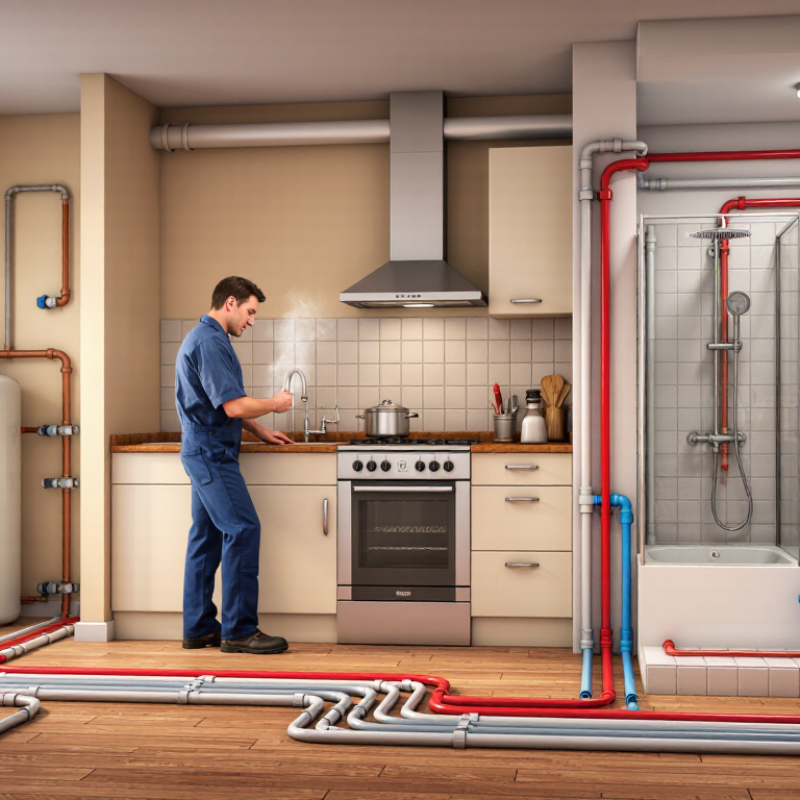
Pipe insulation is one important factor. Poor insulation lets heat escape during every waiting period. A partially closed valve can also reduce flow and slow delivery. Mineral buildup inside the aerator may create another problem, because restricted flow changes how quickly warm water reaches the user. Check the heater temperature, pipe route, valve position, insulation, faucet aerator, and household demand. These seven checks often reveal more than replacing the faucet.
Travel time also affects temperature stability. Someone using another shower or appliance may draw hot water away, causing sudden changes at the faucet. A recirculation system can reduce waiting, but it may increase energy use if poorly controlled.
A simple test helps: measure the waiting time, flow rate, and temperature at the outlet. It is useful, but not perfect. Weather, pipe material, and daily usage can alter the result. The first stream may still be cool.
Tip one: Check the pipe distance. A faucet far from the water heater holds more cooled water. That water must leave before hot water arrives.
Tip two: Inspect pipe size and layout. Oversized or poorly routed pipes can increase waiting time. Long horizontal runs are especially noticeable.
Tip three: Look for missing circulation. A recirculation system keeps hot water moving near frequently used faucets. Without one, every shower may begin with a cold burst.
Tip four: Test the flow rate. Low pressure, clogged aerators, or partly closed valves can slow delivery. Remove the aerator briefly and compare the flow. Small details matter.
Tip five: Examine the mixing valve. A worn valve may blend cold water into the hot line. This creates lukewarm water and confusing symptoms.
Tip six: Check for sediment. Mineral deposits inside the heater or pipes can reduce heat transfer and flow. Flushing may help, but incorrect servicing can cause leaks.
Tip seven: Consider heater performance. A weak heating element, undersized unit, or incorrect thermostat setting may delay recovery.
A plumber can measure temperature, pressure, and delivery time at several fixtures. That evidence is more useful than guessing. I have seen homeowners replace a heater when the real problem was a distant bathroom pipe. Diagnosis is not always obvious. If water stays cold, fluctuates sharply, or shows signs of leakage, arrange a professional inspection.
Long waits usually come from distance, pipe volume, or poor system settings. The U.S. Department of Energy reports that water heating uses about 18% of household energy.
Tip 1: Measure the wait and collect the initial cold water for plants or cleaning.
Tip 2: Insulate accessible hot-water pipes, especially near the heater and unconditioned spaces.
Tip 3: Open the faucet fully for a short purge, then reduce the flow. A very low flow can extend the waiting period.
Tip 4: Check the heater setting. The Department of Energy commonly recommends 120°F for many homes, balancing comfort, energy use, and scald protection. Local conditions still matter.
Tip 5: Reduce the pipe distance where practical by relocating the heater or adding a closer point-of-use unit.
Tip 6: Consider demand-controlled recirculation. It can shorten delivery time, but a timer may waste energy during empty hours. That detail is often missed.
Tip 7: Inspect the system. Sediment, clogged filters, a faulty mixing valve, or an aging check valve can slow delivery. A qualified technician can test temperature, pressure, and flow instead of guessing.
EPA WaterSense estimates household leaks waste nearly one trillion gallons annually in the United States. Waiting water is not always a leak, but repeated waste deserves attention.
My practical preference is simple: measure first, change one factor, and test again. The result may be less dramatic than expected.
A long wait often starts with distance, not a failing heater. Trace the hot-water pipe from the heater to the faucet. Longer runs hold more cooled water overnight. Measure the delay with a timer. Do not guess. Remove a clogged aerator and check whether the flow improves. Inspect visible joints for dampness, stains, or dripping sounds.
The U.S. Environmental Protection Agency’s WaterSense program reports that household leaks can waste more than 10,000 gallons yearly. A small hot-water leak may also create a long wait and higher energy use.
Check the thermostat with a thermometer, not only its dial. The U.S. Consumer Product Safety Commission recommends 120°F to reduce scald risk.
Never open a gas burner compartment or electrical panel without proper training.
Look for missing insulation around accessible hot-water pipes, while keeping insulation away from flues and controls. The U.S. Department of Energy estimates water heating uses about 18% of household energy. That makes pipe insulation and sensible temperature control worthwhile.
A demand-controlled recirculation system may reduce waiting, but poor installation can waste water and energy. Ask a qualified plumber to confirm pipe routing, valve operation, and safe connections.
The quickest repair is not always the best repair. A stopwatch helps, yet it cannot reveal hidden corrosion or a failing mixing valve. Check the simple details first, then document the temperature, delay, and any leak.
Hot water should not feel like a distant delivery. If a faucet stays cold for several minutes, measure the delay with a timer. Check whether the problem affects one fixture or every faucet. A single slow faucet may have a clogged aerator, restricted supply line, or failing cartridge. Several slow fixtures suggest a wider plumbing issue.
Persistent delays often involve long pipes, poor insulation, sediment, or a failing mixing valve. An unwanted hot-water crossover can also send heated water into the cold line. Feel the nearby pipes carefully; a warm cold-water pipe is a useful warning sign. Check for damp cabinets, dripping connections, and unusual heater noises. Small clues matter. The first guess is often wrong.
Professional plumbing help becomes important when delays keep increasing, water temperature changes suddenly, or the heater runs without delivering enough hot water. A qualified plumber can measure flow, test valves, inspect pipe insulation, and check for hidden leaks. They can also verify whether sediment is restricting heat transfer. Do not dismantle gas controls or electrical covers yourself. That shortcut can create serious hazards. A basic flush may help some systems, but it is not a cure-all. If several fixtures remain slow after simple checks, arrange an inspection rather than repeatedly wasting water.
The pipe first releases cooled water sitting between the heater and outlet. Long runs can delay warmth by 30 to 60 seconds.
Yes. A partially closed valve, narrow pipe, or clogged aerator can reduce flow and delay heated water.
Use a stopwatch and thermometer. Record the starting temperature, waiting time, and outlet flow. Do not guess.
Check the faucet aerator, valve position, visible leaks, pipe insulation, heater setting, and household water demand. Small clues matter.
Yes. Uninsulated pipes lose heat while water waits inside them, especially overnight or during cold weather.
Another shower, washing machine, or appliance may draw hot water away. A mixing valve problem can also cause unstable temperatures.
Not always. It can reduce waiting, but poor controls may waste energy and increase operating costs. The fastest fix may be wrong.
Seek professional help when delays keep growing, several fixtures stay slow, or temperatures change sharply. Hidden leaks and valve failures need proper testing.
Inspect only accessible areas. Do not open gas compartments or electrical panels without training. Keep pipe insulation away from flues and controls.
Warm cold-water pipes, damp cabinets, dripping joints, unusual heater noises, or cold water lasting several minutes deserve attention. The first guess can fail.
Waiting for hot water at the faucet can be frustrating, especially when the delay wastes water and affects everyday comfort. If you are wondering, “why does my hot water take so long to reach the faucet,” the cause may involve long pipe distances, undersized or poorly insulated pipes, low water flow, sediment buildup, an incorrectly set water heater, or a system that cannot keep up with demand. Understanding how hot-water travel time affects faucet performance can help identify the source of the problem.
Seven practical ways to shorten the wait include insulating hot-water pipes, reducing unnecessary pipe length, checking faucet aerators, cleaning accessible screens, setting the water heater safely, using water-saving fixtures with suitable flow, and considering a properly installed circulation solution. Homeowners should only perform safe visual checks, watch for leaks, and follow equipment instructions without opening hazardous components. If delays remain severe, water temperature is inconsistent, or unusual noises and leaks appear, a qualified plumber should inspect the system and recommend a safe, efficient repair.

Flow Faucet